Wrong passwords, missed handoffs, relentless reminders...
Services built for the past and modernized for efficiency tax everyone, and Ryann Foelker's brain pays a higher rate. She left corporate insurance to fix that with design. She's building it from Madison, where her roots are, in a region that taught design its worst habit, and now deserves its best practice.
-
The Digital Insurer, 2024
American Family Insurance won the Americas Regional Finals with PIRfy, an agent-prep concept from the seven-week generative AI challenge Ryann designed and ran, coaching its designer from first idea through the win over AXA, Prudential, and RBC.
-
RISE Professionals, 2024
RISE named Ryann its first-ever Innovator of the Year for three bodies of work: the claims transformation vision she built, which made her company the first top-20 U.S. carrier to operate on a single claims platform; StateBridge, an AI concept for regulatory compliance; and the Belongings Back-Up Ecosystem, a contents claims experience she scoped, led, and designed alongside her team, rebuilt end to end from what the company already had and what partnership made available.
-
Reuters Events, 2025
Named for her professional track record, influence, social impact, and leadership across the industry.
-
Fast Company, 2023
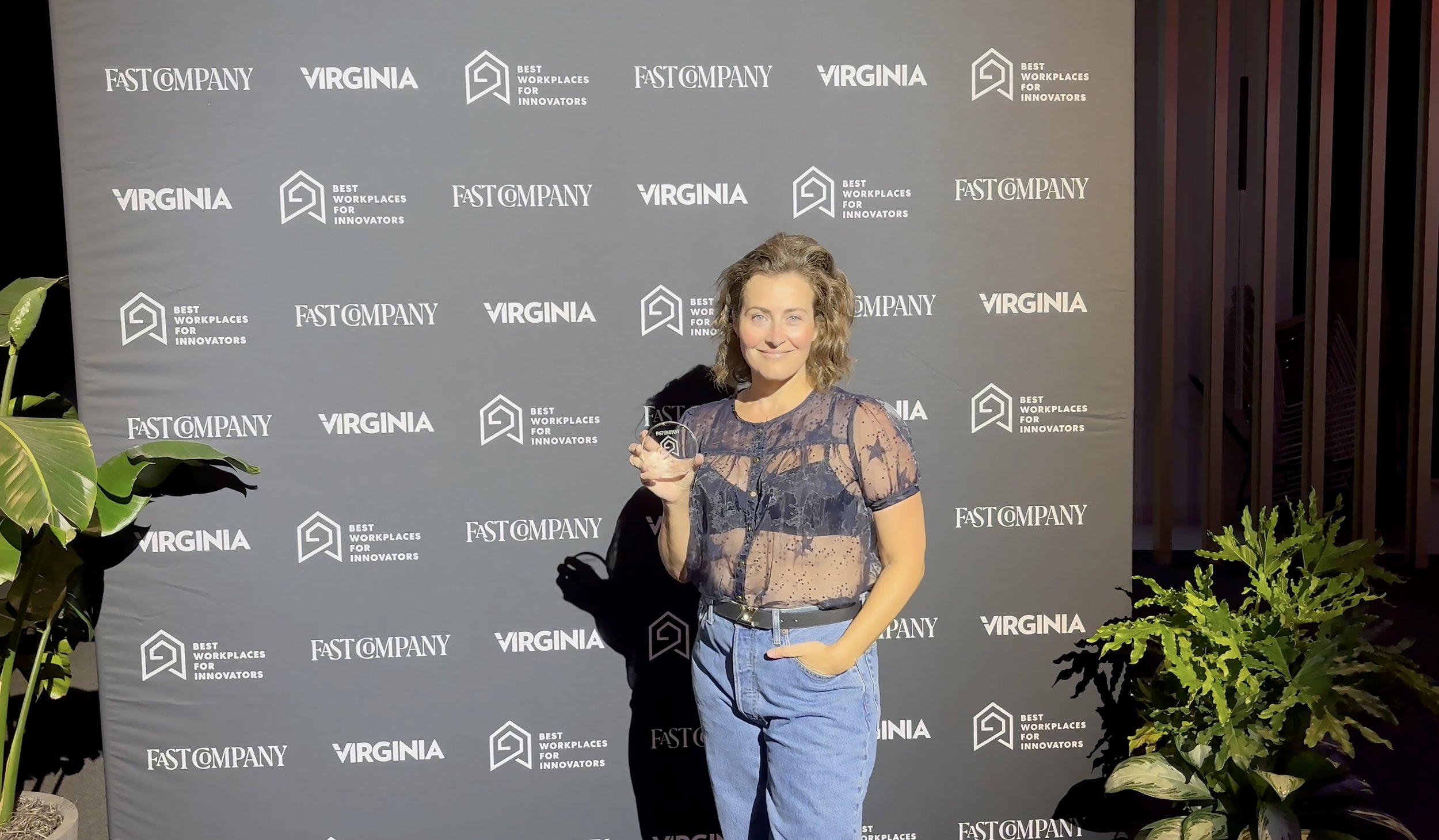
American Family Insurance placed No. 71, the only insurer in the top 100, on a submission Ryann wrote around work she originated: Fabric, the cited case study, a concept descended from the claims vision she built, and Future Tuesdays, the design school she created.
-
United Nations DPPA and the Design Futures Initiative, 2020
Ryann found the UN's call for entries twenty days before deadline, recruited fourteen colleagues to work nights and weekends, and taught them the design-and-foresight practice that built Peace and Risk: 2040 Stories of Recovery, named a global semi-finalist by the UN Department of Political and Peacebuilding Affairs and the Design Futures Initiative.
-
Global Foresight Advisory Council, 2020
Ryann earned certification through the Global Foresight Advisory Council in trendspotting, horizon scanning, and scenario development, the foresight practice that runs through her design work.


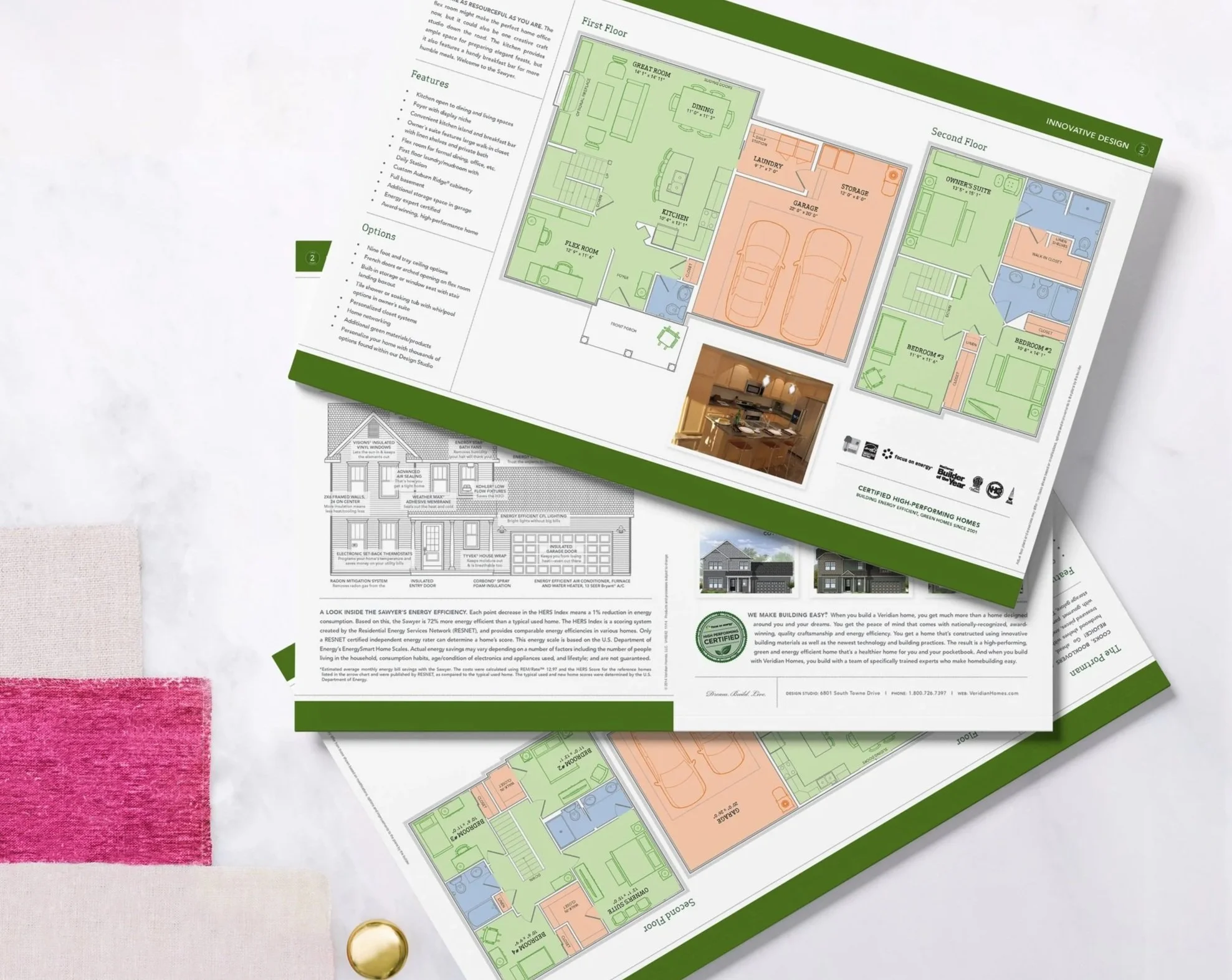
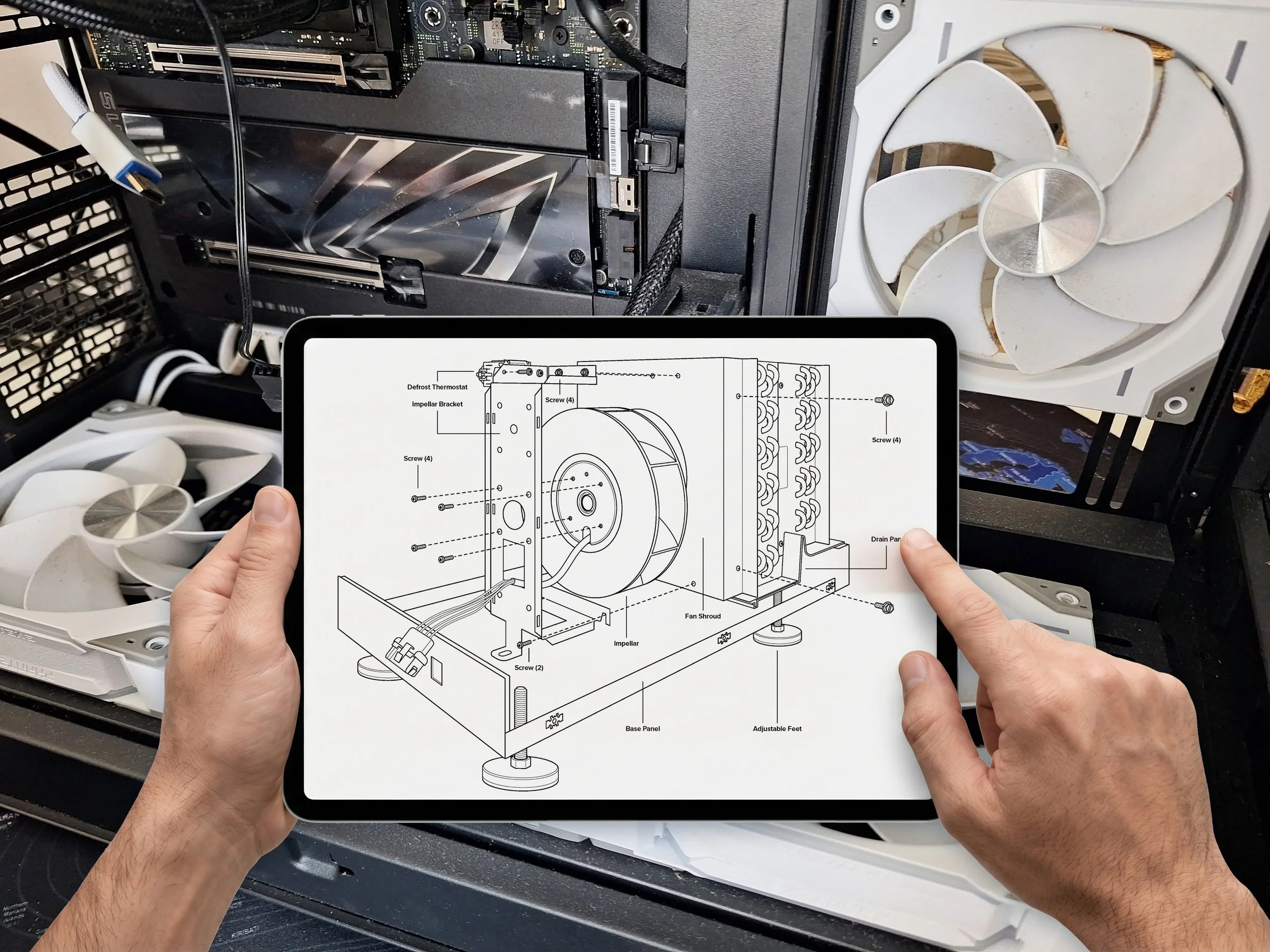
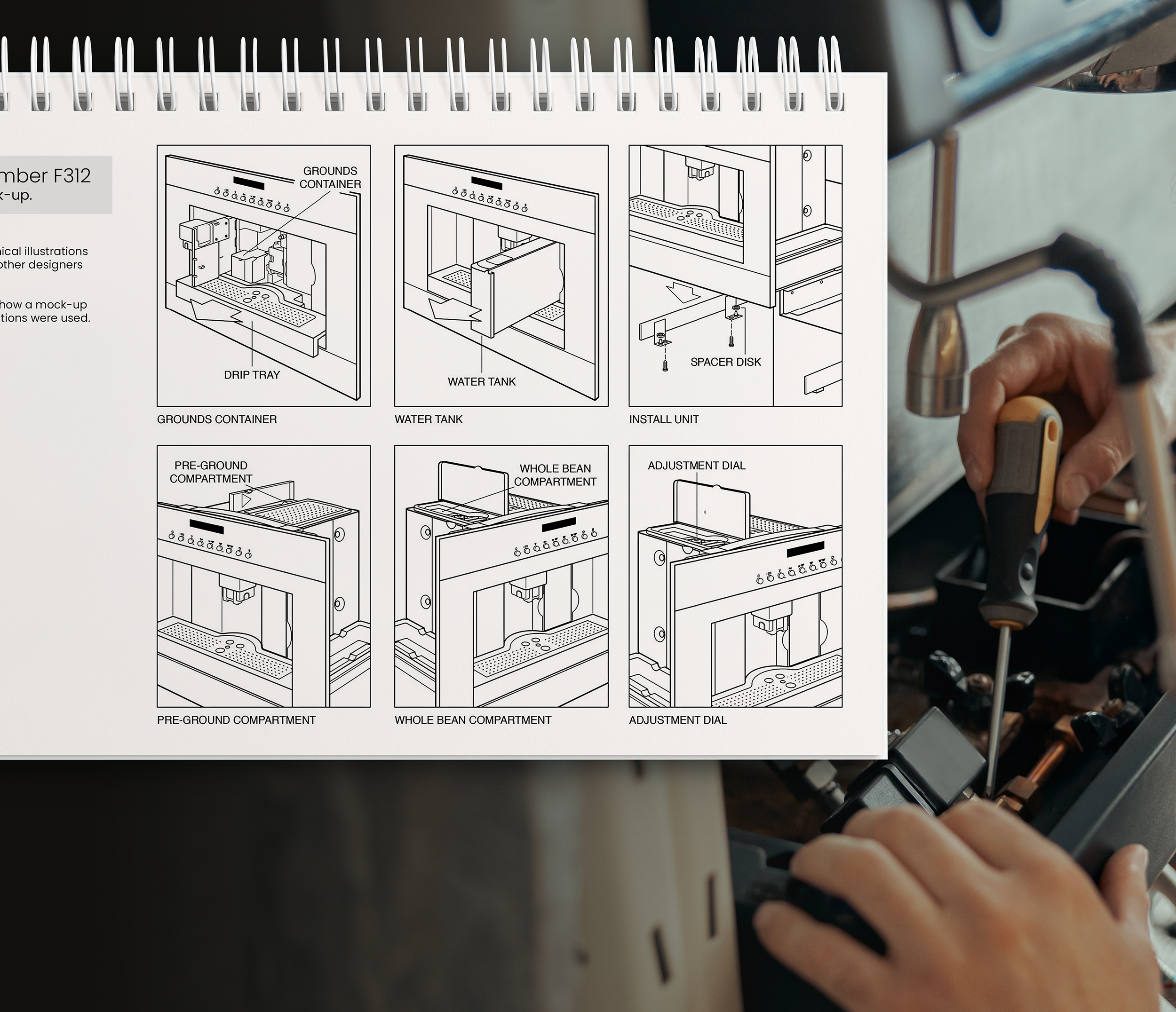

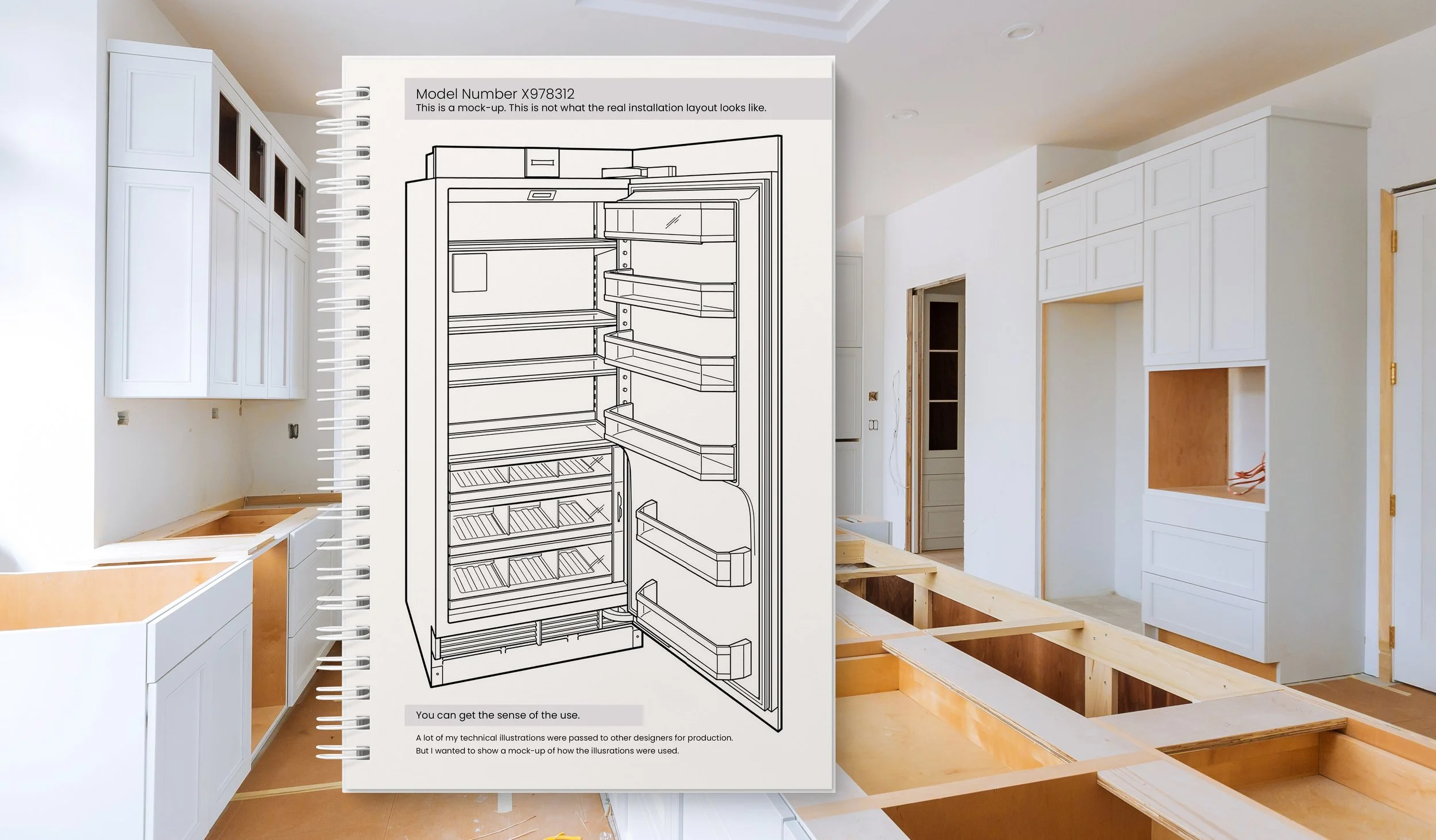
One practice, built across a studio, a top-20 carrier, and now Heirloom.
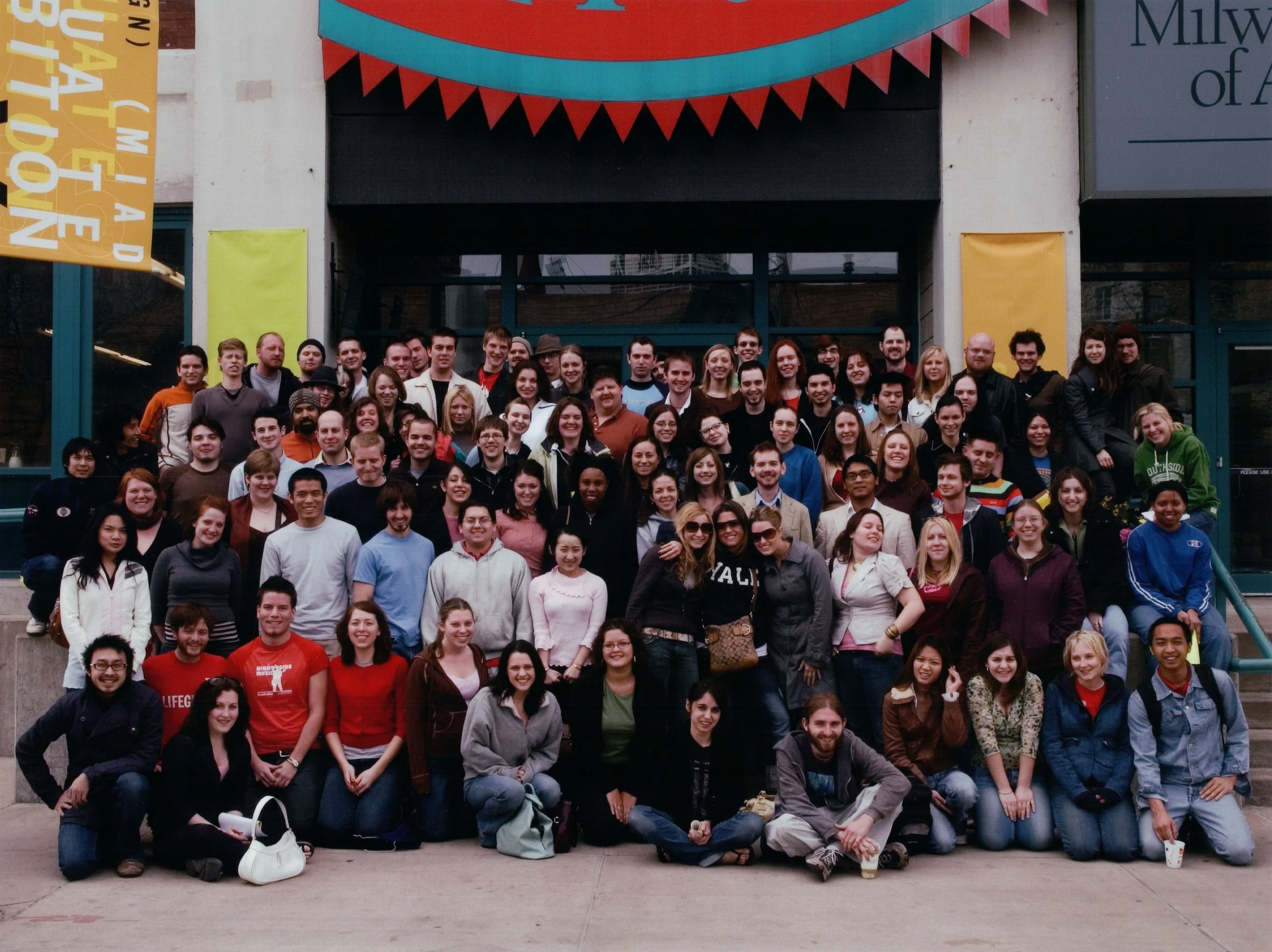
Ryann trained as an industrial designer at the Milwaukee Institute of Art & Design, in a direct line from the functionalists who believed design's job is making things work for people. She learned design where concepts had to survive years of engineering and manufacturing before meeting the market, so designing for the world a product would launch into was the first requirement. Recognition for her strategic foresight game came later. From the start, it was how the work got done.
She built Dilemma Studio from a solo consultancy into a multi-client firm with more than thirty corporate clients, including a long run as design partner to Sub-Zero, by arranging expertise from product, engineering, and marketing into work that made complicated products and decisions easy to understand and easy to love.
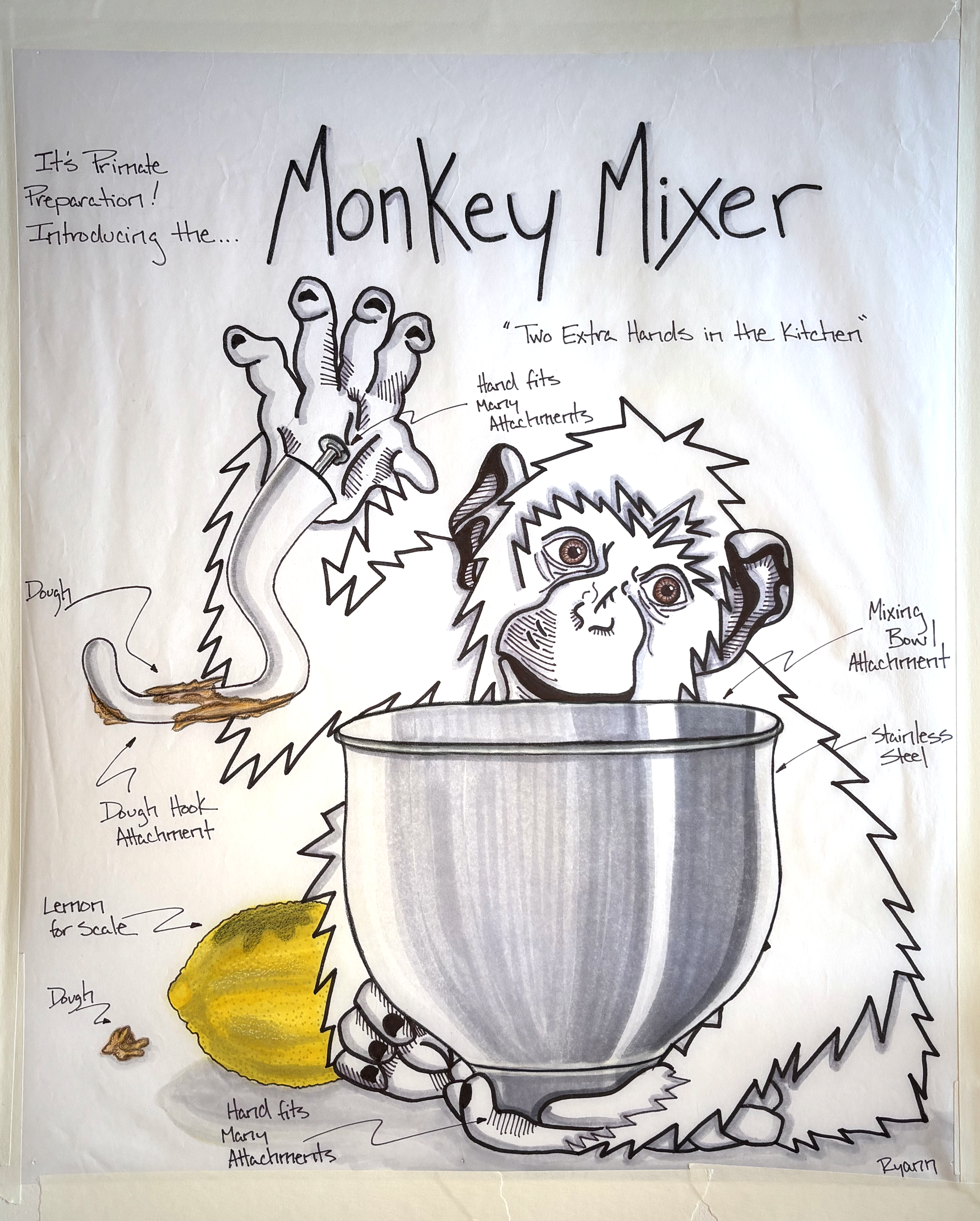
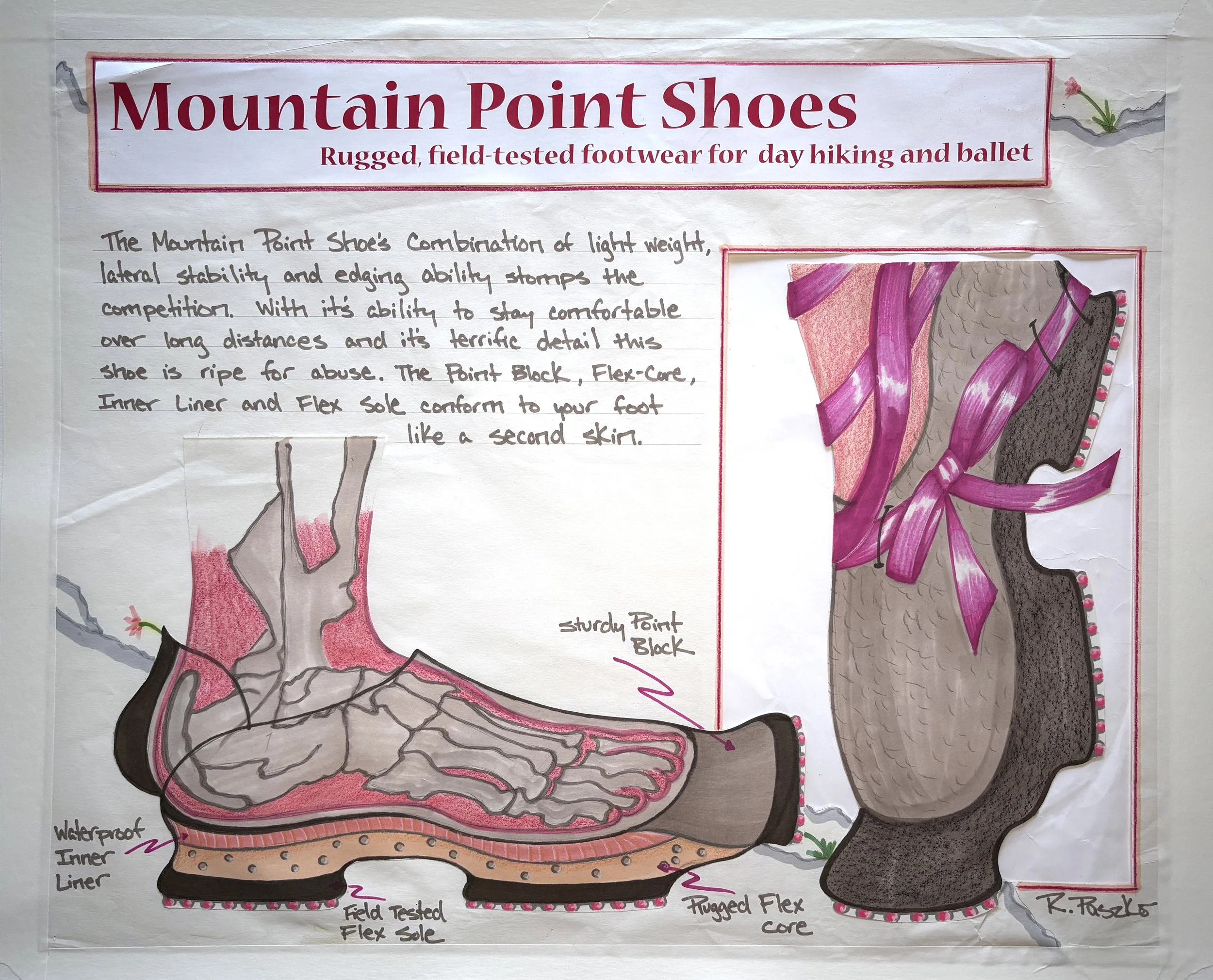
Technical illustrations were the bread and butter of her studio years: simplified line art of complex assemblies, every part drawn to scale and in relation to the rest so anyone could see how the whole thing worked. In the mid 2010s she pointed the same skill at technology: after drawing Sonic Foundry's hardware, she drew the contrast between its cloud and on-premise offerings.
In 2018 she joined American Family Insurance, a top-20 U.S. carrier, as the first hire in its new Digital Transformation Office, and became the company's most senior design and foresight leader. She could take a technology apart and draw how it worked clearly enough that everyone started from the same understanding, and then push the room past the mechanics, from what the material is to designing what it could do for people. Everything that followed was created on that foundation, across every upgrade the company weighed: AI, modern platforms, and integrations with partners from insurtechs to AWS.
She built the design practice that redesigned claims from the ground up, shaping a long-term roadmap that held: triple the volume when Hurricane Ida hit. It wasn't a fluke. She pointed the same practice at a wildly different scene, and the UN's Department of Political and Peacebuilding Affairs named her team's entry a semi-finalist in its call for futures work. She turned a weekly meeting into a design school that trained sixty-six adjusters, underwriters, treasury analysts, and interns into working designers. And she designed and ran the AI initiative that beat AXA, Prudential, and RBC for the 2024 Insurer Innovation Award, six years after she started treating AI as a design material.
In 2026 she founded Heirloom, her independent design practice, to do that work in the open: keynotes, advisory engagements, workshops, and guest lectures. There she coined the Burden Tax and Designed Equilibrium: the diagnosis and the approach at the center of the keynotes, the advisory work, and a book in progress.
The Burden Tax: The work a technology upgrade moves instead of removes.
It lands as invisible labor on the people you serve and the people who serve them. And it compounds, because every company is charging it at once.
Designed Equilibrium: The balance a technology upgrade reaches when it’s designed to pay off for customers, employees, partners, and the bottom line at once.
It lands as a picture of the future so specific that every leader sees the same one, and a roadmap of decisions reverse-engineered to reach it. The Burden Tax stops being a default and becomes a decision: leaders see what an upgrade will ask of people in time to lighten the load or make it worth carrying.
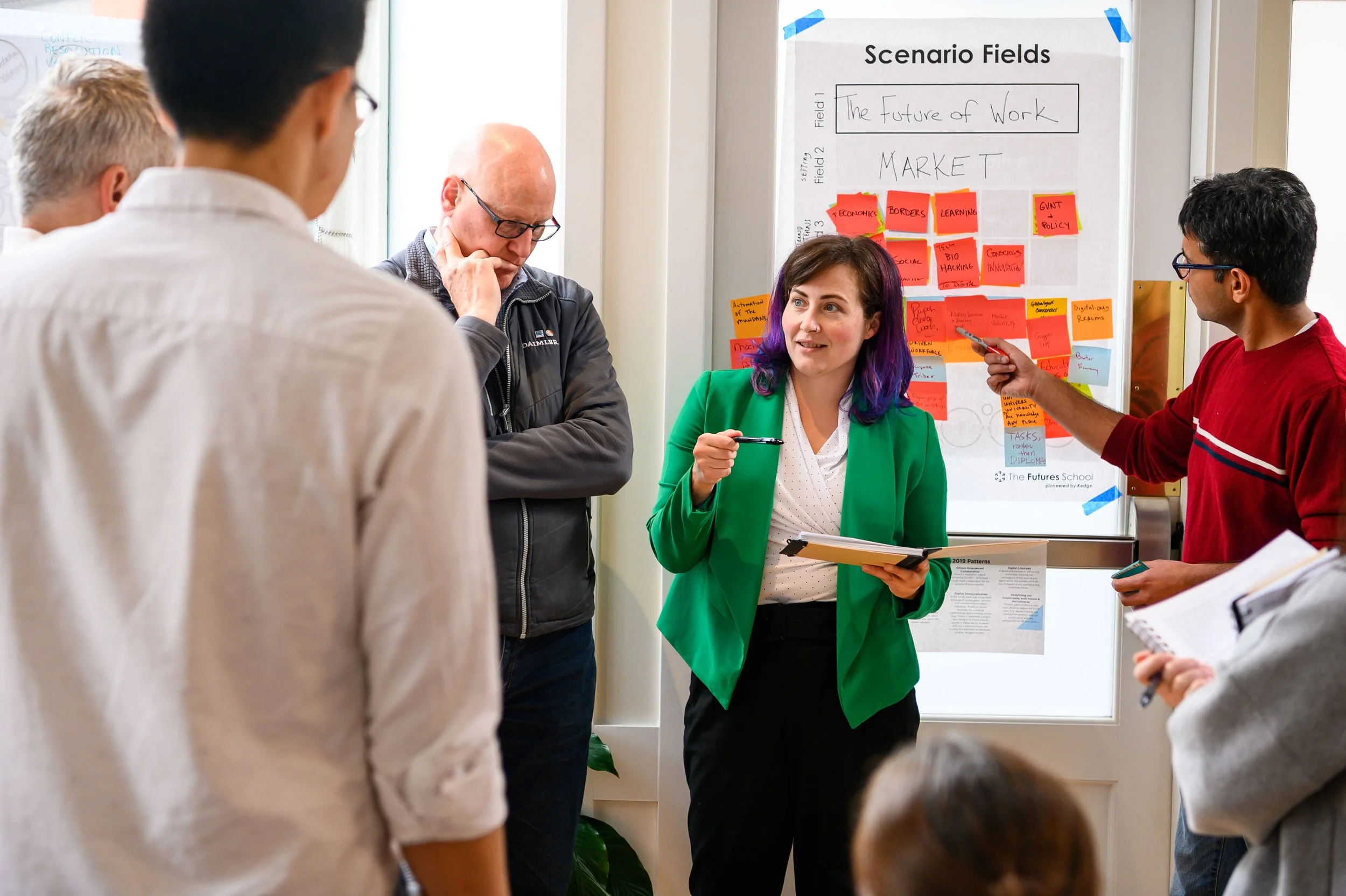
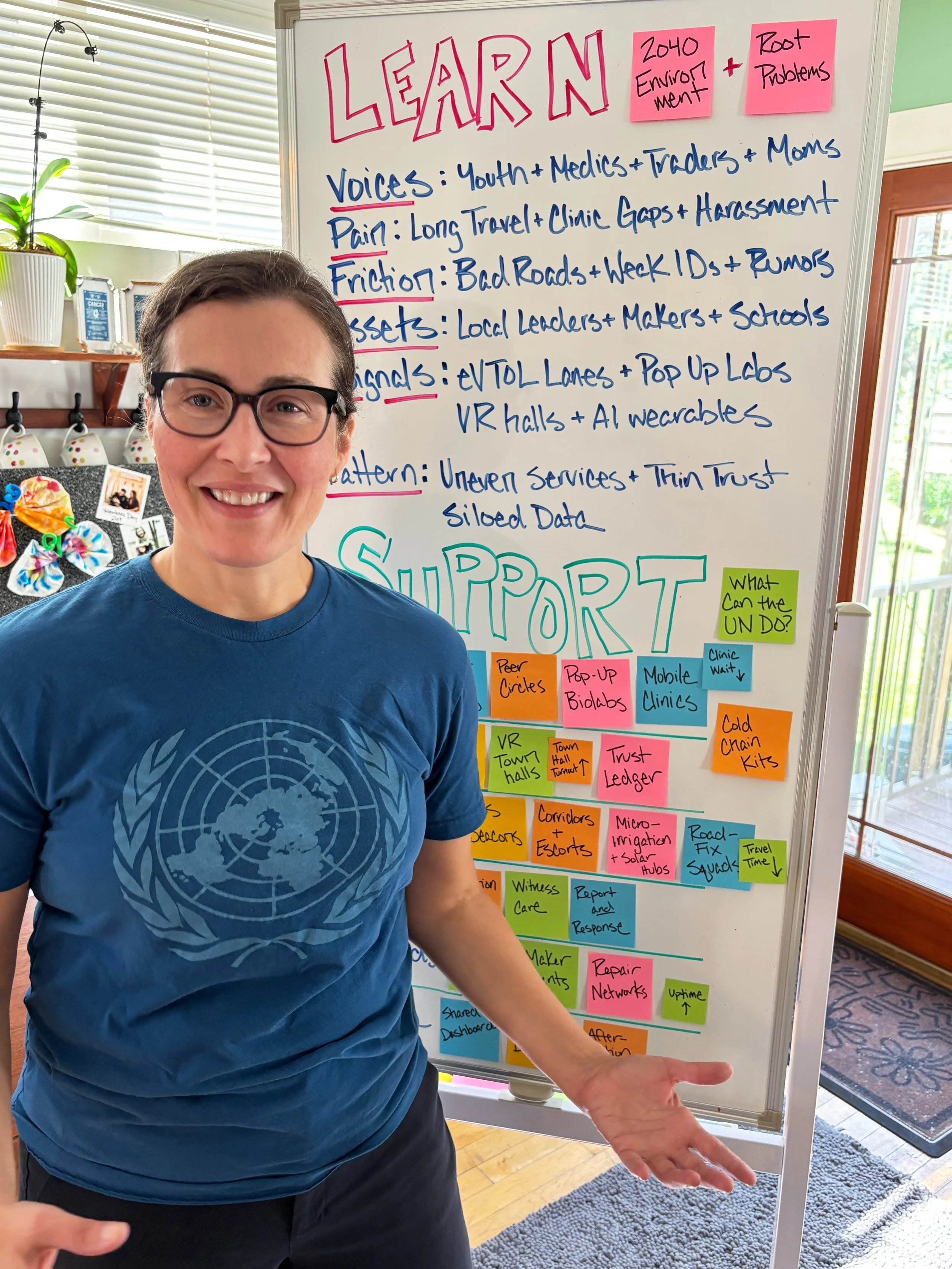
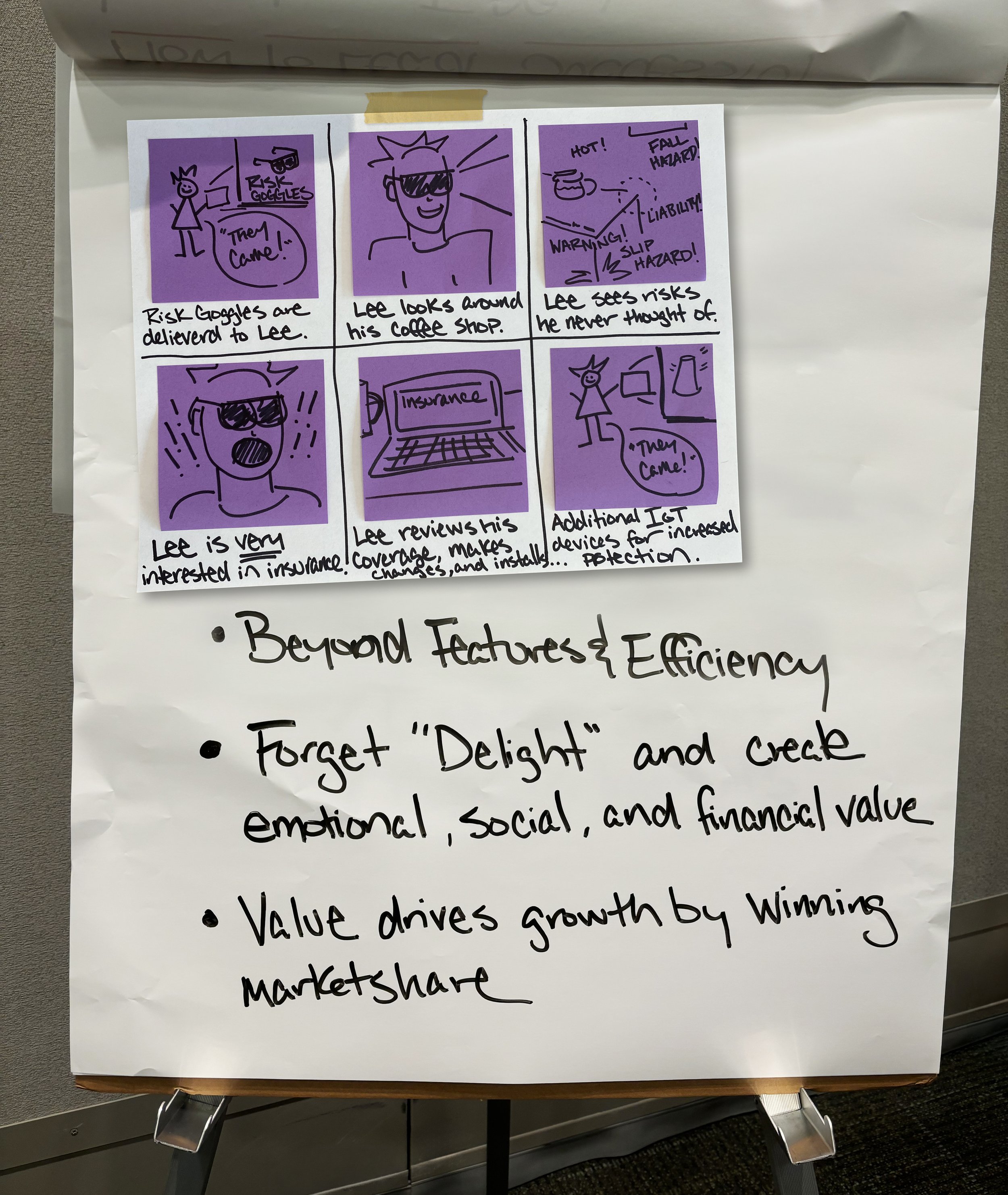
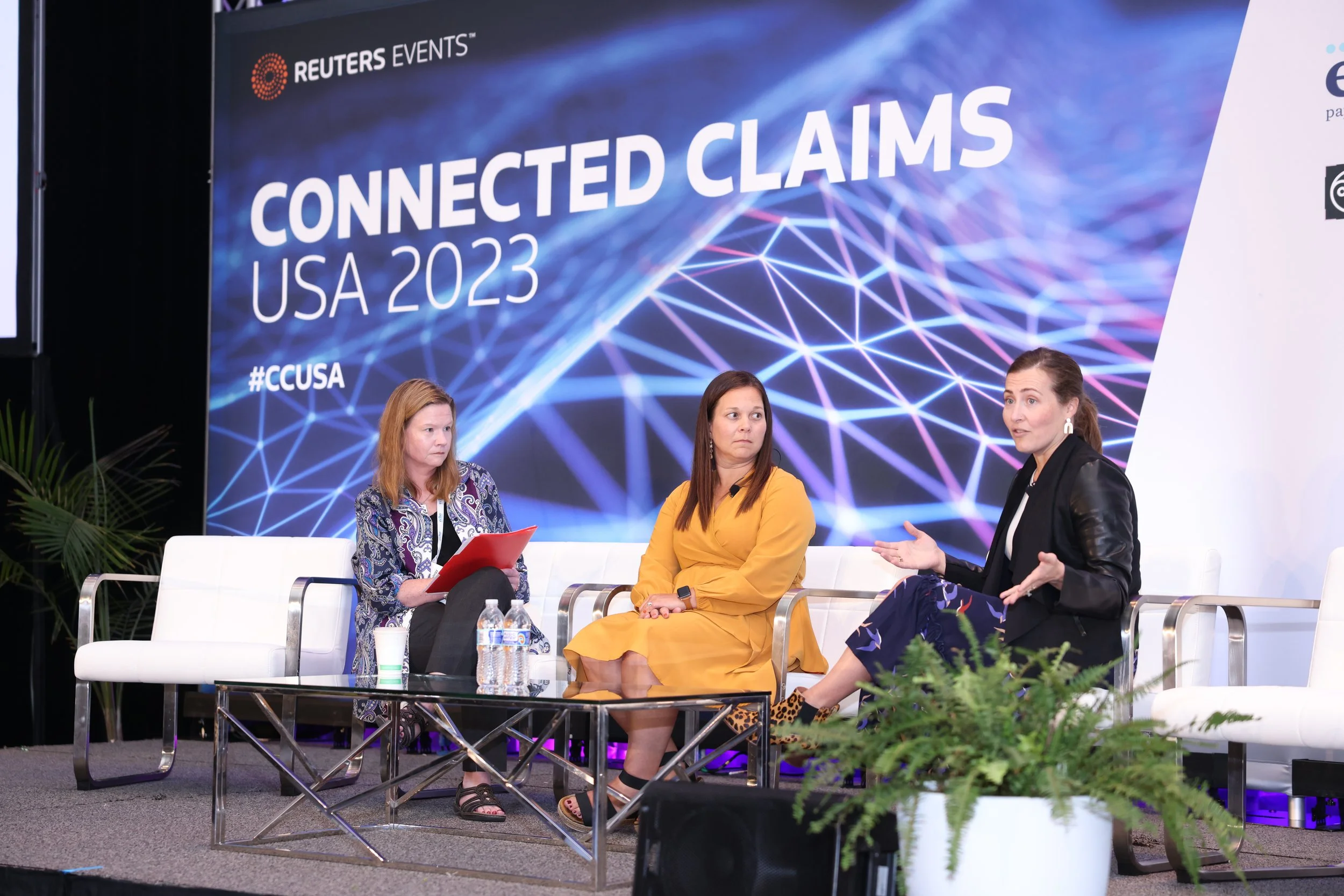
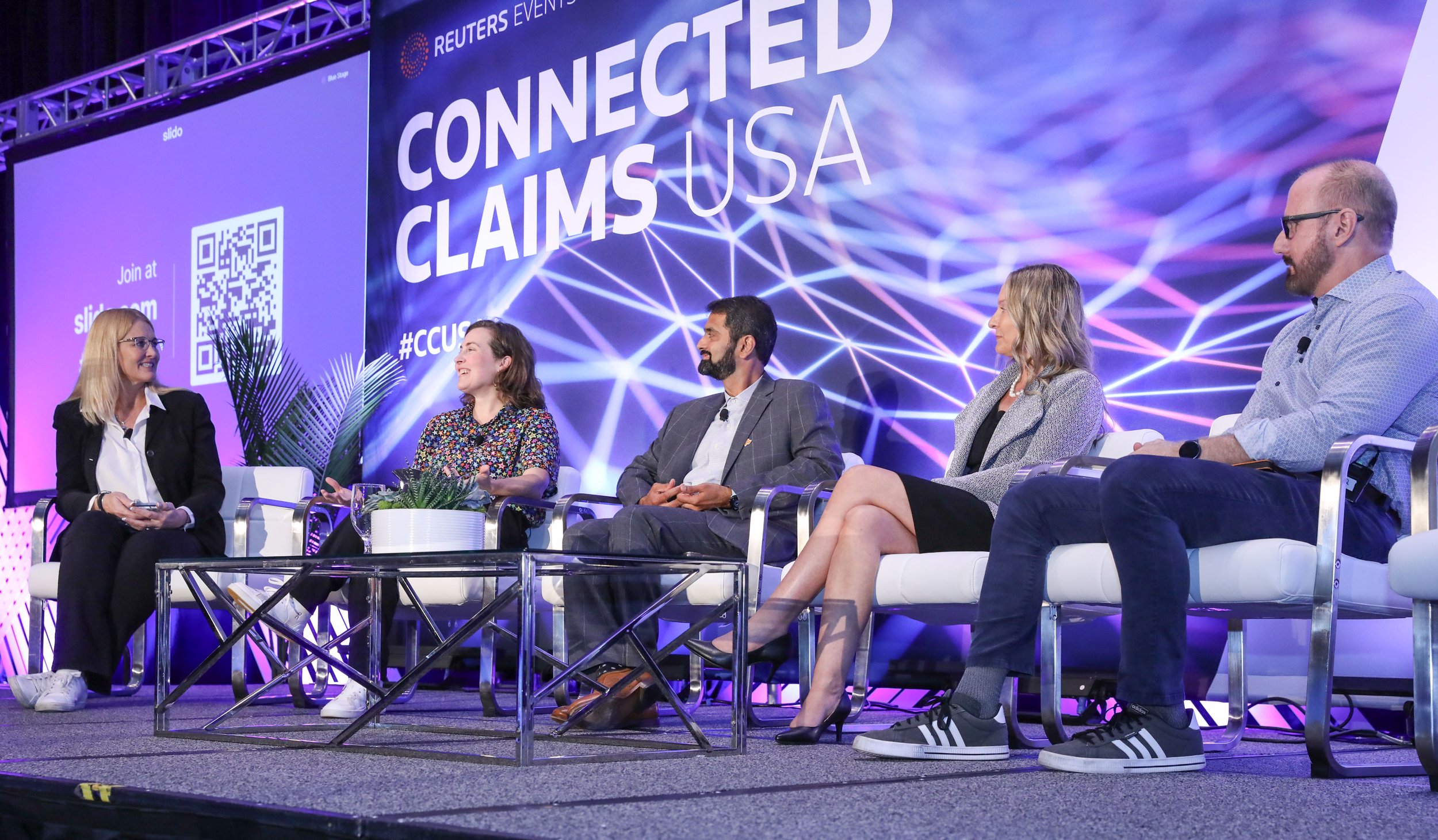
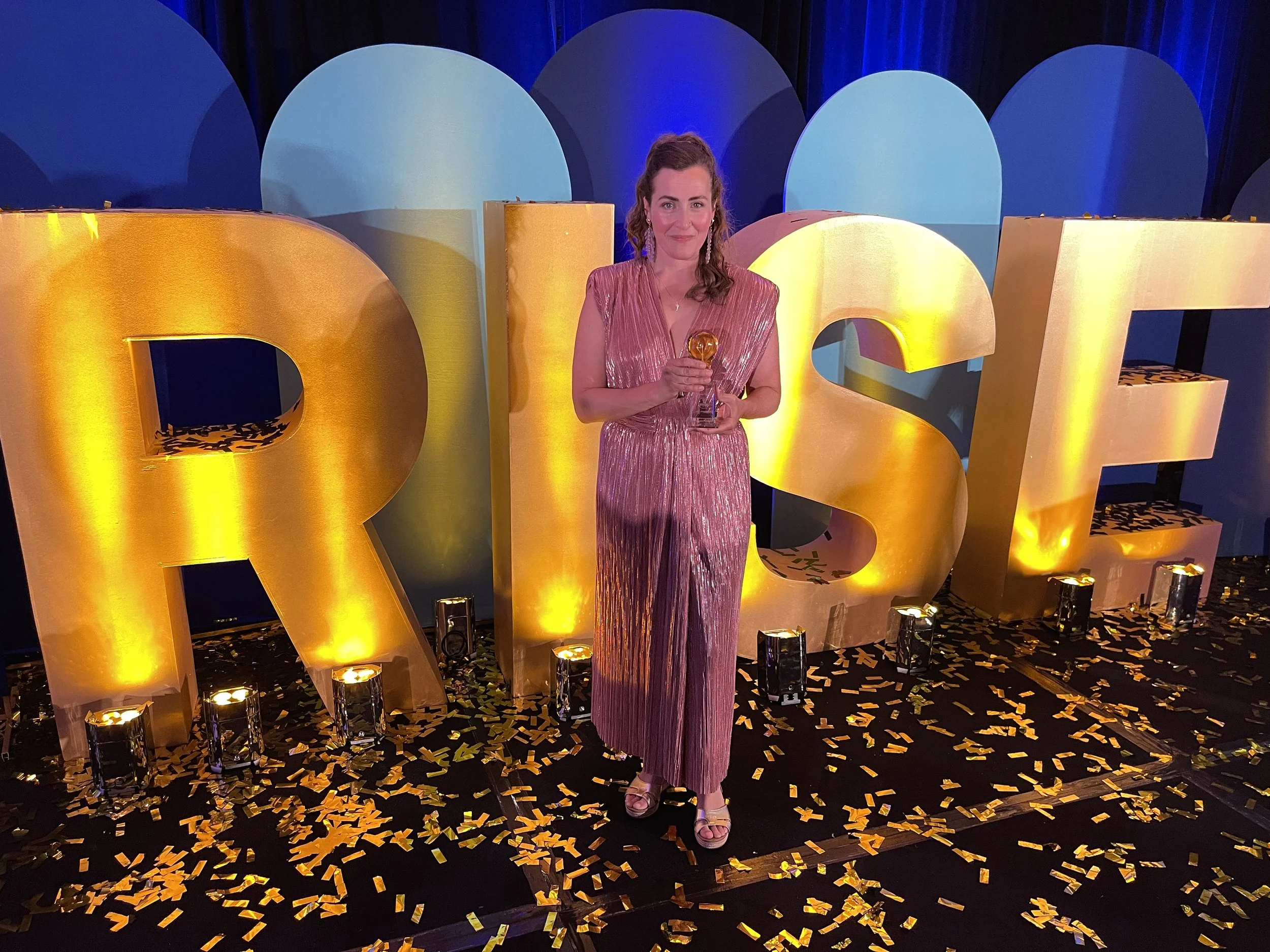
Bios, photos, B-roll. Take what you need.
“I can walk a room of executives through the future of an entire industry. I can speak to an audience of hundreds without hesitation. But I cannot listen to a voicemail and return a call without a serious pep talk, and sometimes the pep talk isn't enough. For years I treated it as a me-problem. Then I spent nearly a decade inside a top-20 insurer, close enough to see how services get built, and realized the same systems that defeat me tax everyone. The dysfunction isn't me. It's the system. A service shouldn't need me to be at my best to work.”
Ryann pays the Burden Tax herself, daily and involuntarily, which is how she saw it before any dashboard could.
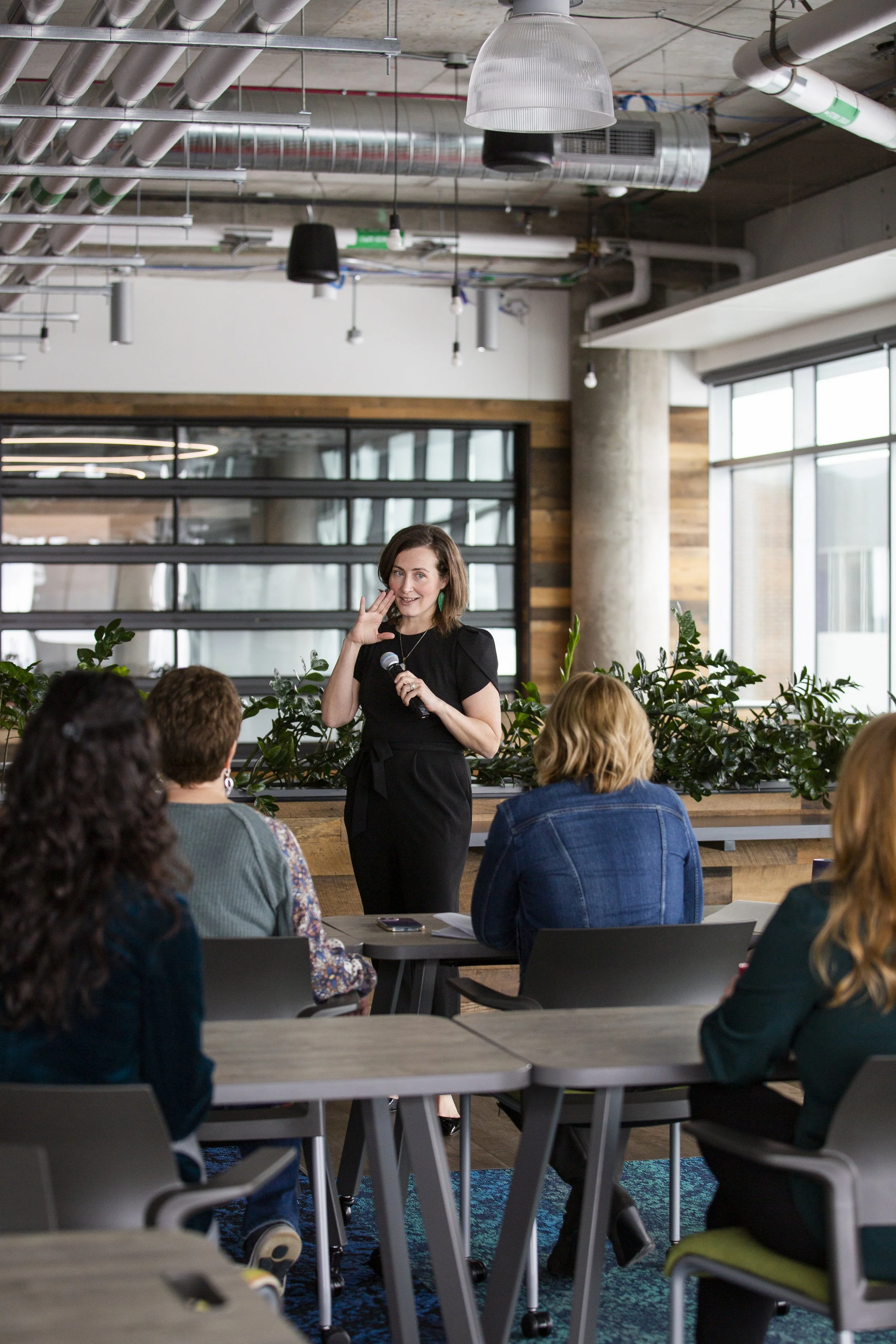
“I stayed. This region runs an enormous share of America's insurance, healthcare, and banking, and the companies here genuinely care about the people they serve. What they don't have is the design maturity of the coasts, so I'm building it.”
Ryann rode a BFA from a Milwaukee art school to an executive seat at a top-20 insurer without ever leaving Madison. So when she struck out on her own, people assumed she'd finally go: New York, London, somewhere with a design scene to match the résumé.
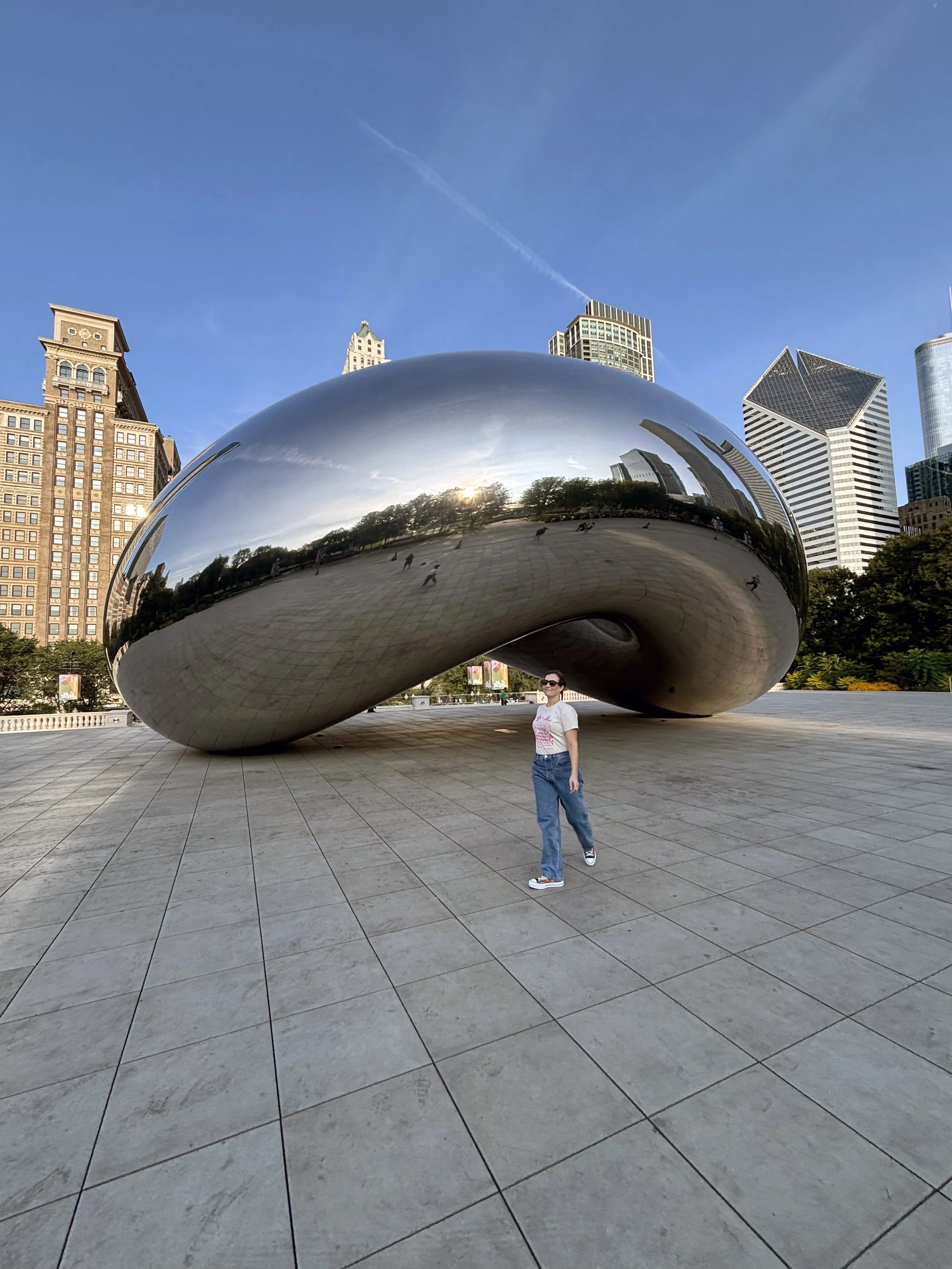
“Modern fashion runs on planned obsolescence: buy it, tire of it, replace it, repeat. I have no interest in funding that. There are so many beautiful, lovingly made things already in the world, and finding them is half the joy. So when it came time to name my company, I called it Heirloom. An heirloom is anything made well enough, and cared for well enough, to be worth handing down. That's what I want companies to build: services designed to last, relationships worth keeping. I dress the way I design.”
Almost everything Ryann wears is second-hand. The habit named her company.
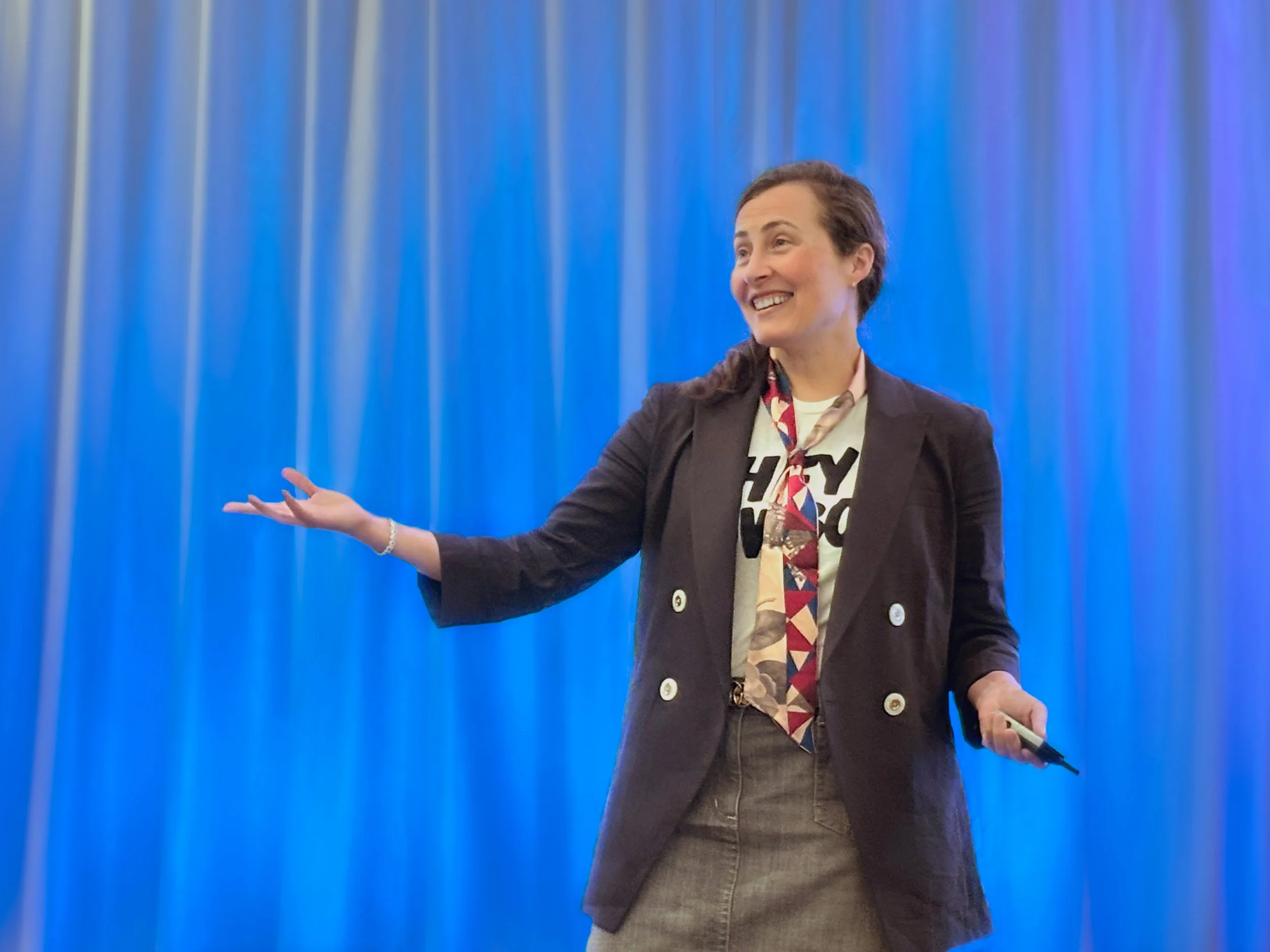
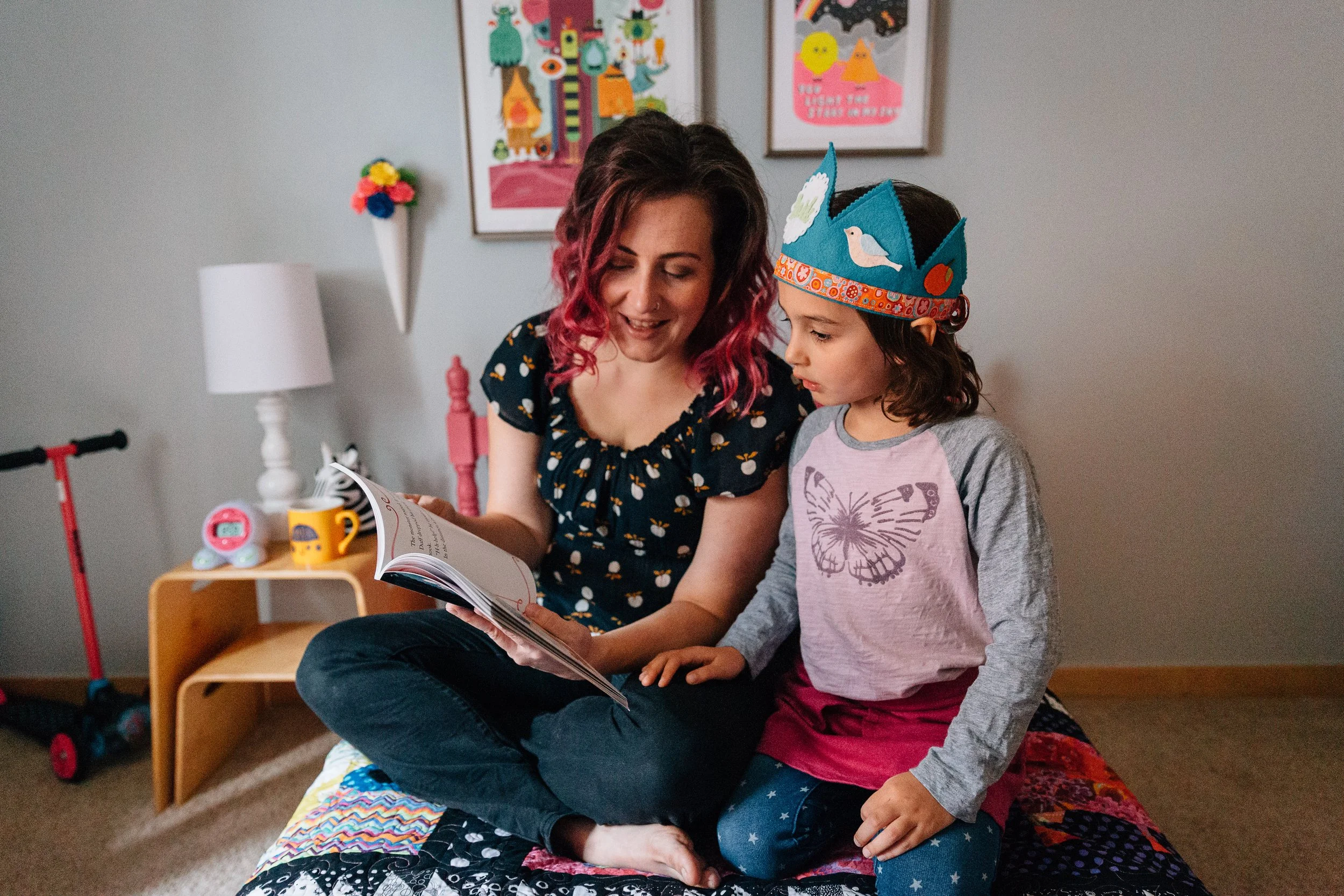
“Her kindergarten lunch table had built up big expectations about the Tooth Fairy, and I was about to disappoint. So I got creative. I told her tooth fairies are public servants, elected by district. Ours, it turned out, was a bit of a dud. She woke up to a few quarters dug out of the couch and the hottest gossip at the lunch table. I couldn't deliver more money, so I created a different kind of value entirely: a story to tell and a new status to hold. She got to be the kid with the inside scoop. Every service has that same choice. You can keep polishing what people already expect, or you can create value that changes how people see themselves.”
When Ryann's daughter lost her first tooth, Ryann was a single mom with no cash in the house and no way to run to a store after bedtime.