Teaching audiences to build the design practice that points technology at value people can feel.
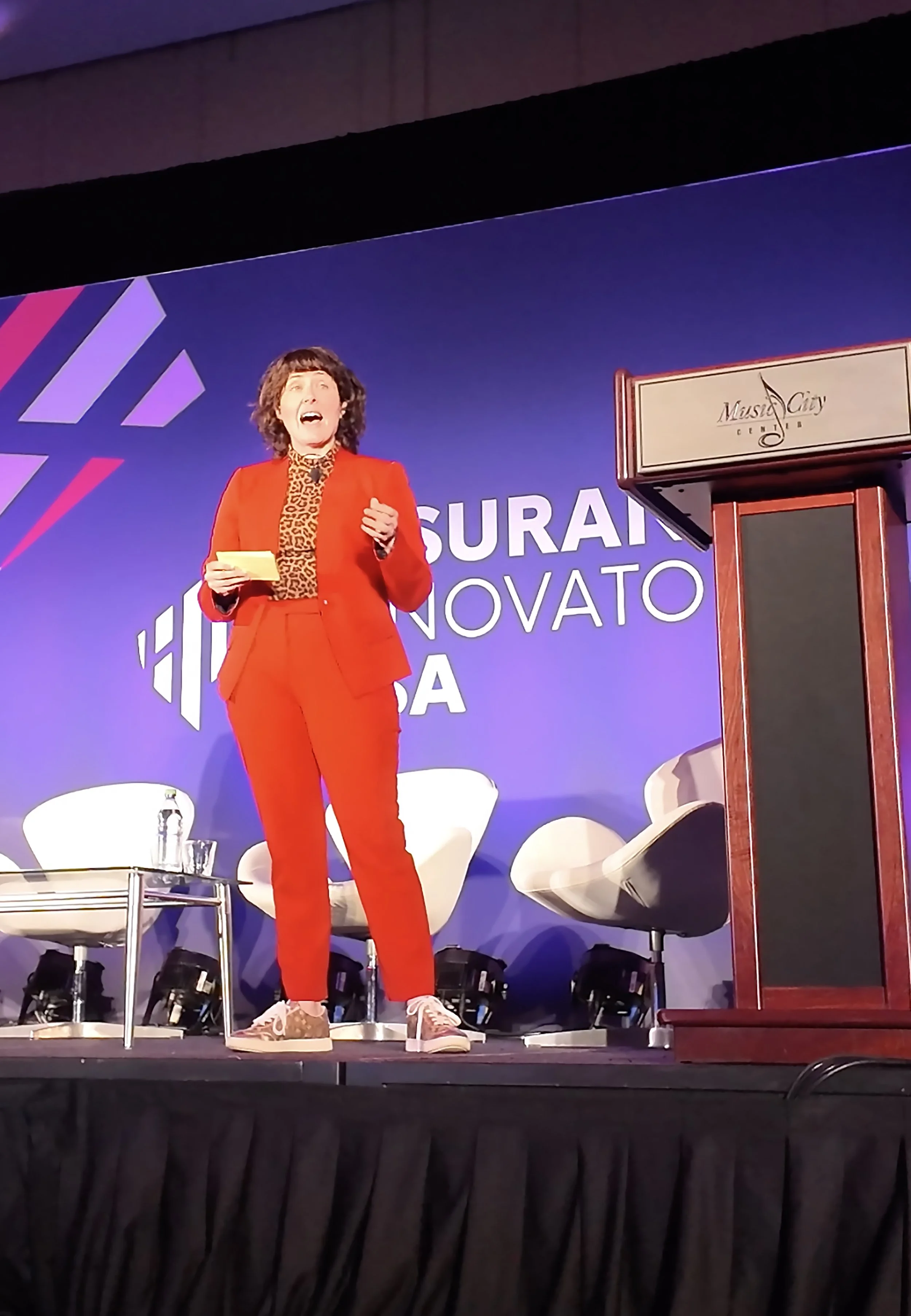
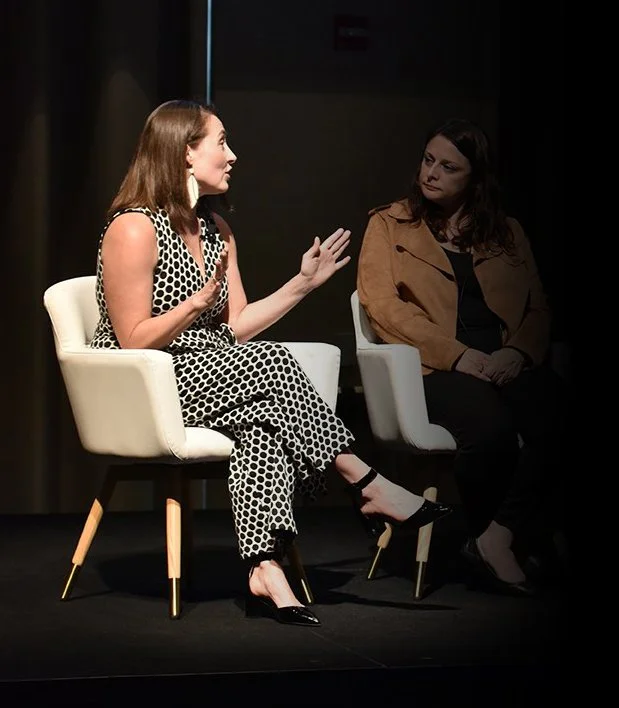
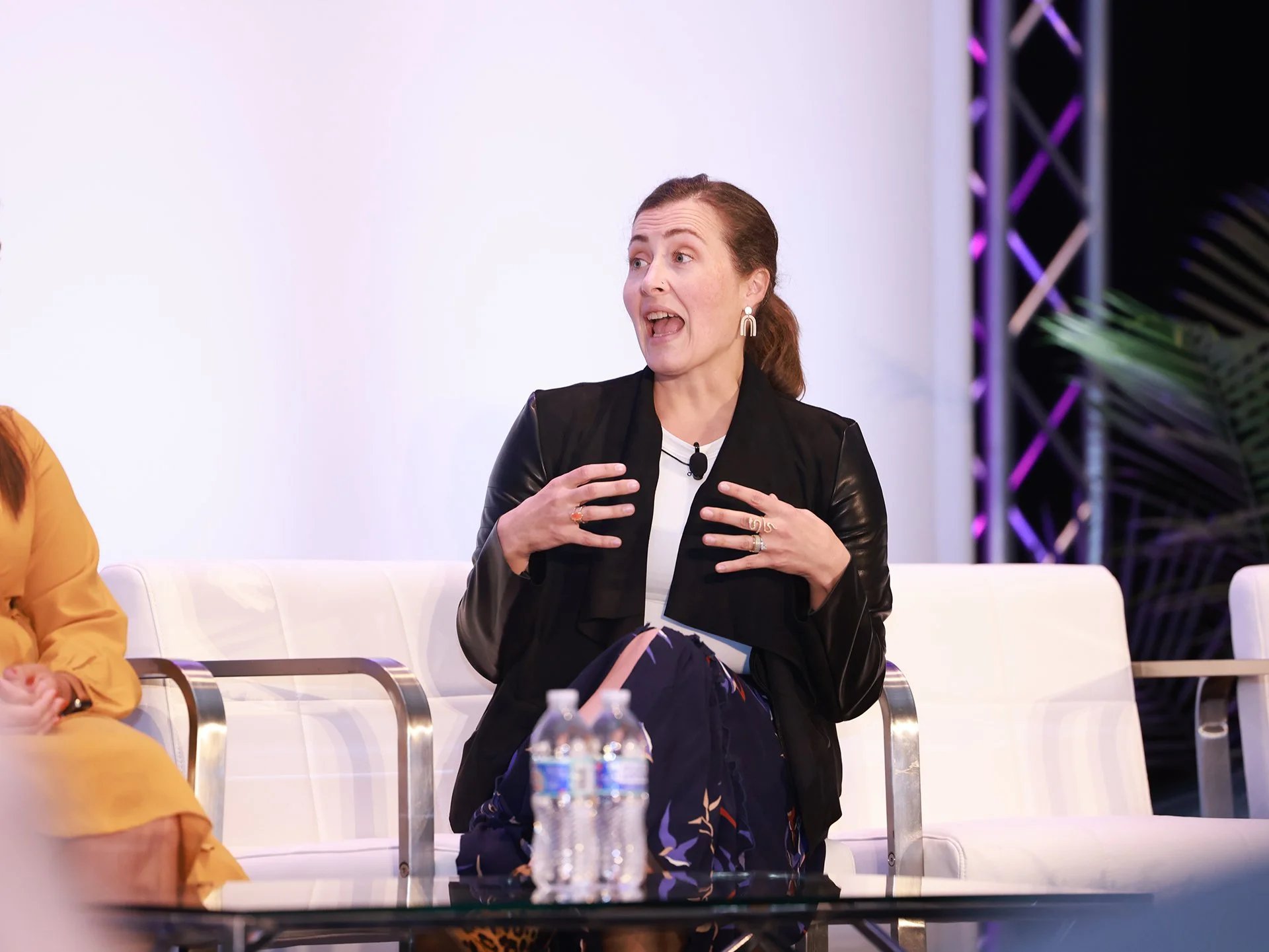
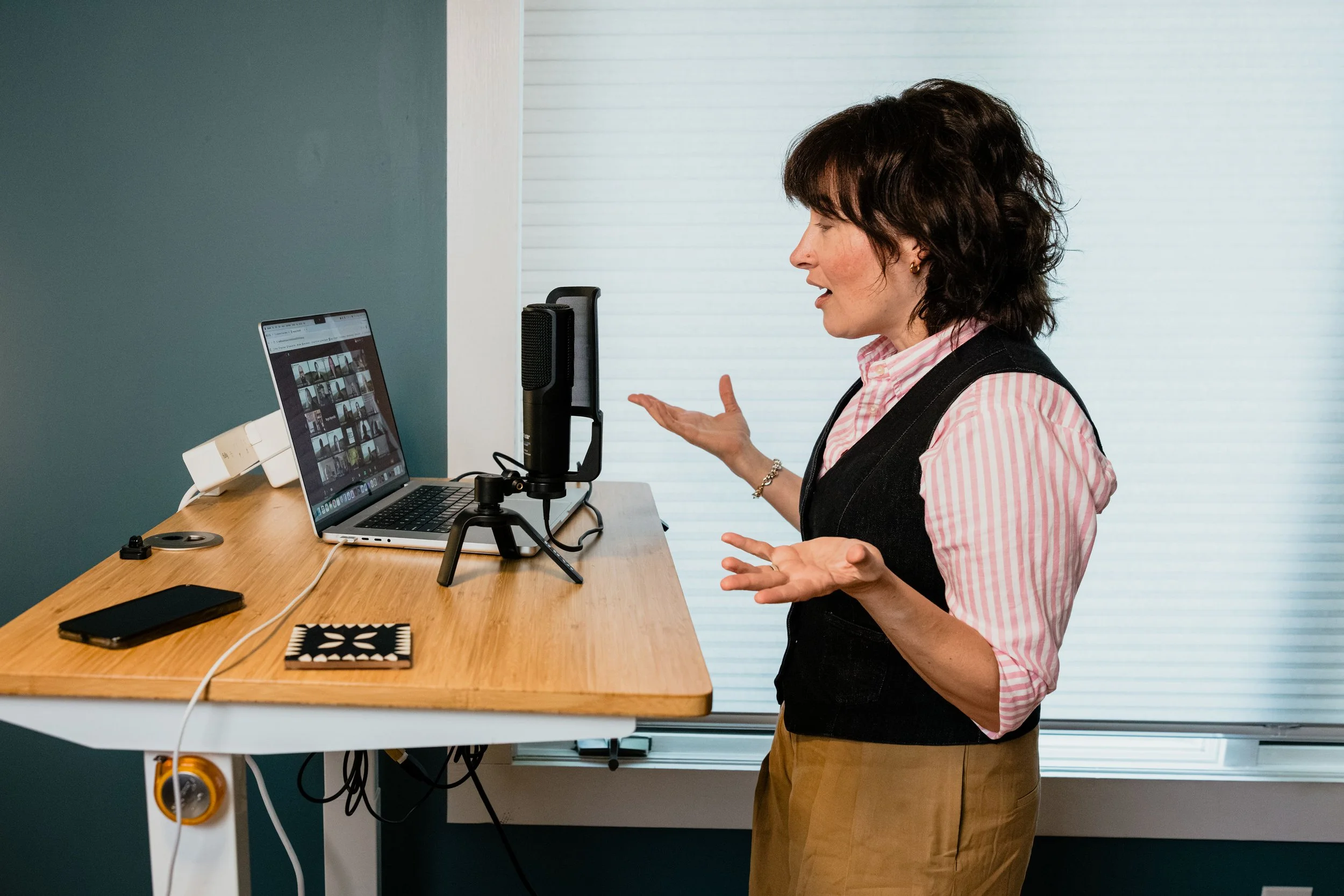
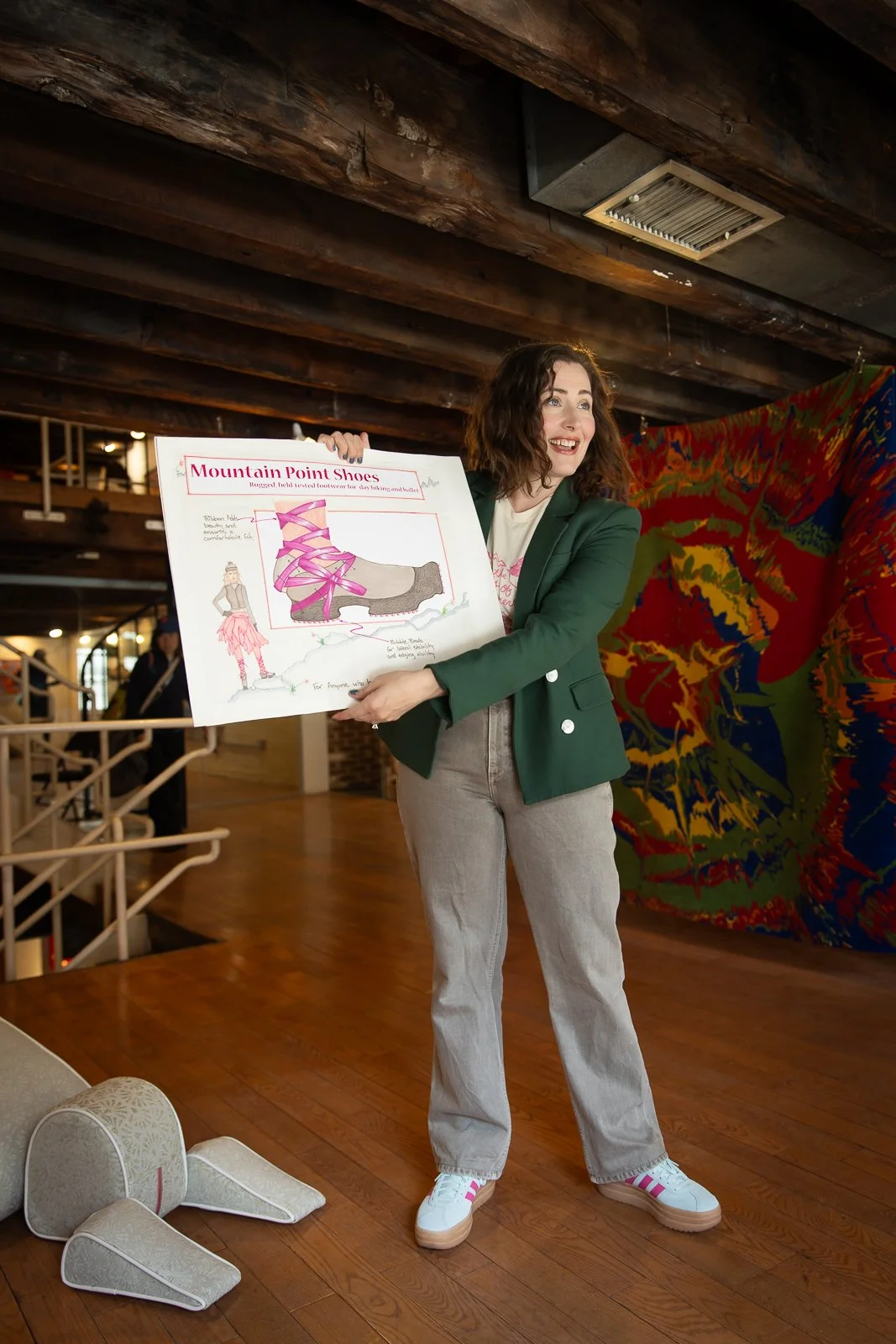
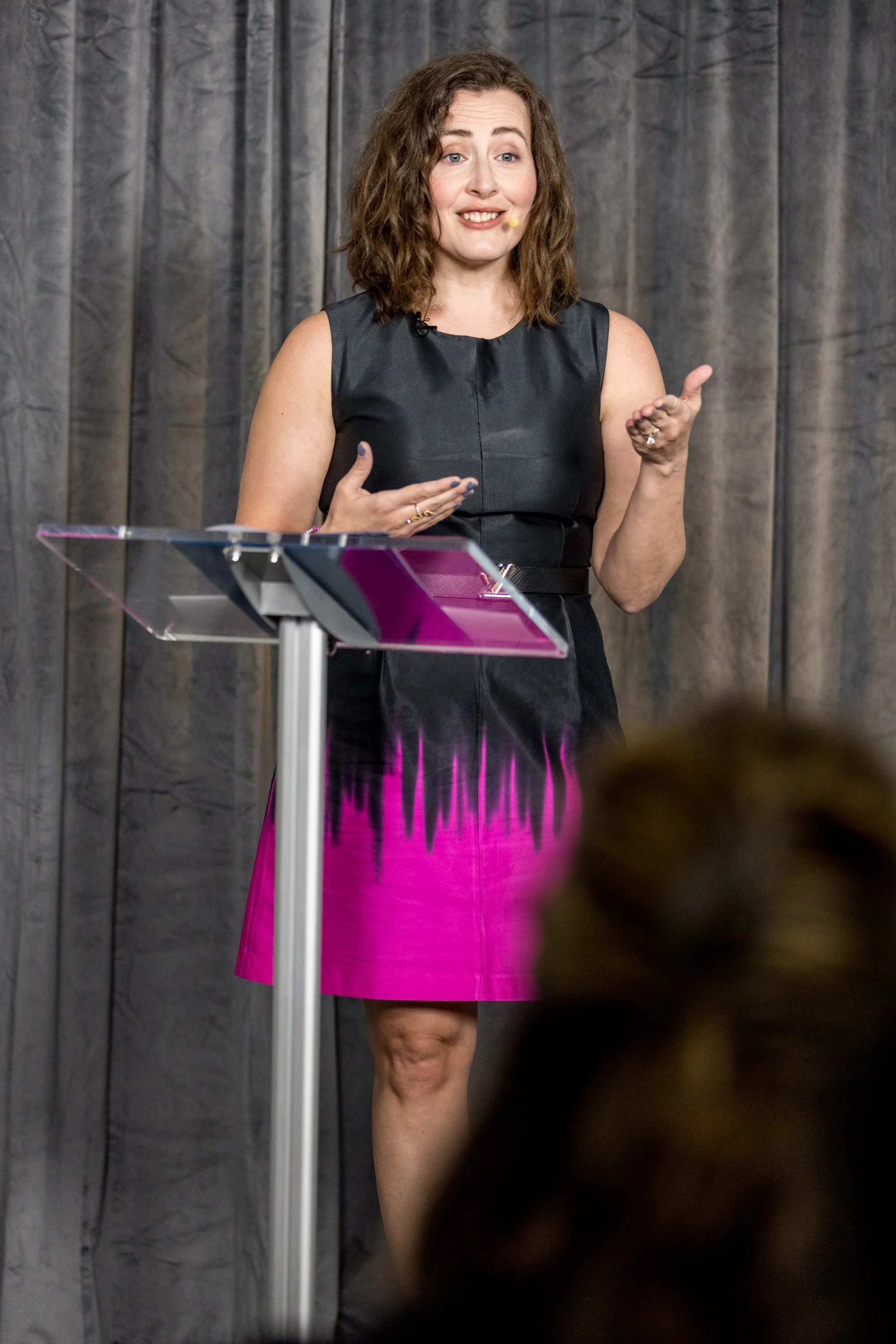
For more than a decade, in person and online, Ryann Foelker has taught decision-makers to treat technology as a material and design services people keep choosing.
"She's interactive, she reads the room, and she really tailors her talks for the occasion. She's not giving canned speeches. She's speaking from the heart on topics she really cares about.”
— Randi Greenberg, Program Director, Digital Insurance Connect, who booked Ryann twice in one conference and has been sending her to stages since











RYANN’S SIGNATURE KEYNOTE
The Burden Tax: The Most Expensive Miss of the Last Decade
Everyone knows of a technology upgrade that followed best practices and stalled anyway. Call it innovation, transformation, or modernization, the market blames the failure on adoption. The real miss happened earlier, before any technology was built or bought. Skip the design work and you get efficiency that taxes people, and returns that never arrive. Do the work, and you create value people can feel.
In this eye-opening session, design executive Ryann Foelker shows you what your dashboards can't, and how to design technology upgrades that pay off for people and the bottom line at once.
You’ll see the evidence: $30 to 40 billion invested in generative AI, and 95% of organizations have nothing to show for it, according to MIT. Deloitte's review of its own clients shows why: companies have built the engine but overlooked the vehicle, spending 93% on technology and 7% on changes like redesigning work, training, change management, and reimagining roles. You'll hear what the companies redesigning the vehicle are winning, and why their competitors can't copy it. And you'll never hear 'adoption issues,' 'trust issues,' or 'use case' the same way again. The Burden Tax stops being a default and becomes a decision: you'll see what an upgrade will ask of people in time to lighten the load or make it worth carrying.
This keynote is built for:
Executives funding technology upgrades
Leadership teams mid-upgrade or regrouping before the next one
Teams ready to move past use cases and pilots
Attendees leave with:
How to spot the Burden Tax in any upgrade you build, buy, or run.
A diagnostic question for any upgrade on your roadmap: Where does the work go?
Designed Equilibrium: a framework for designing technology upgrades that pay off for people and the bottom line at once.
Don’t chase efficiency to create value.
Create value to win, efficiently.
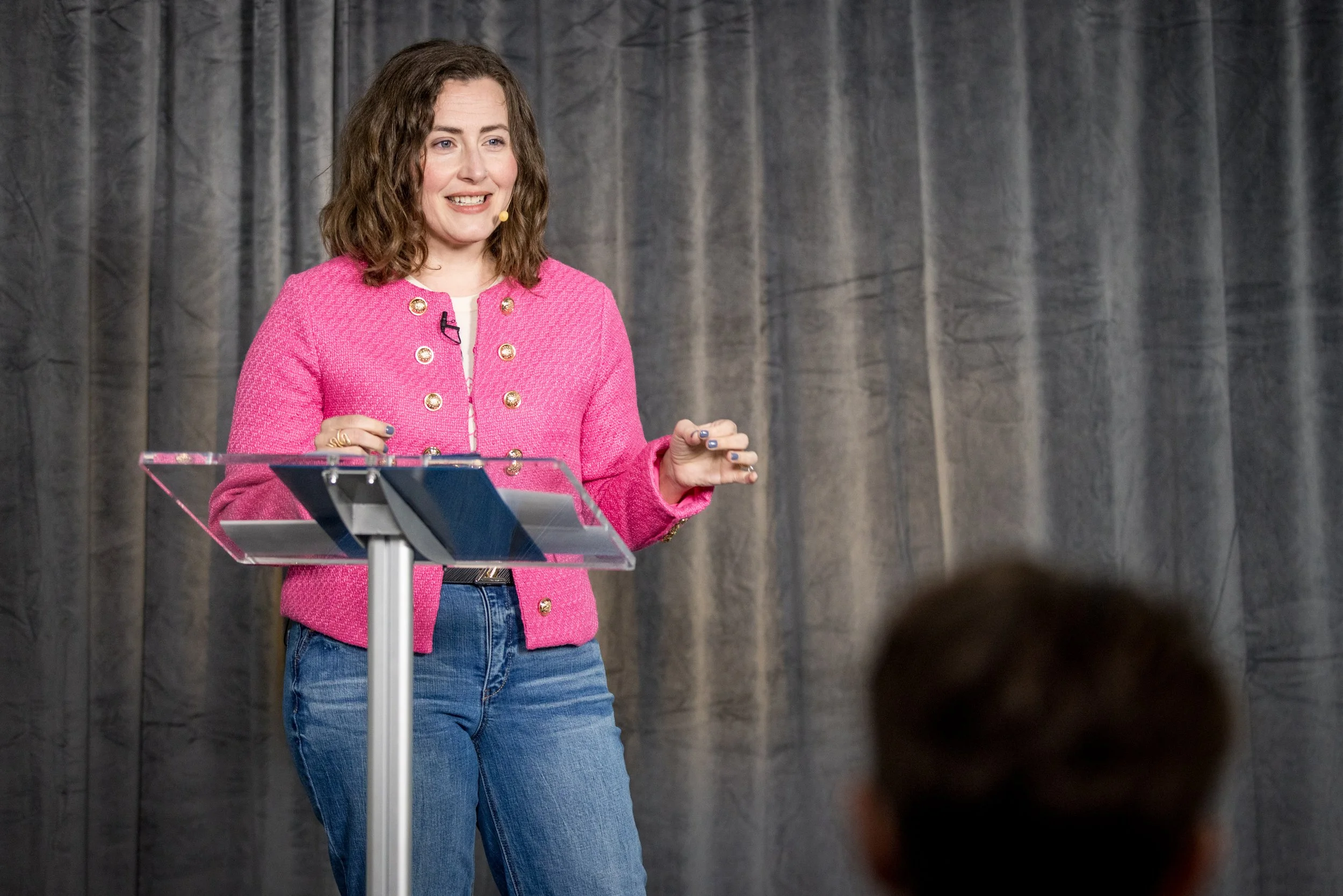
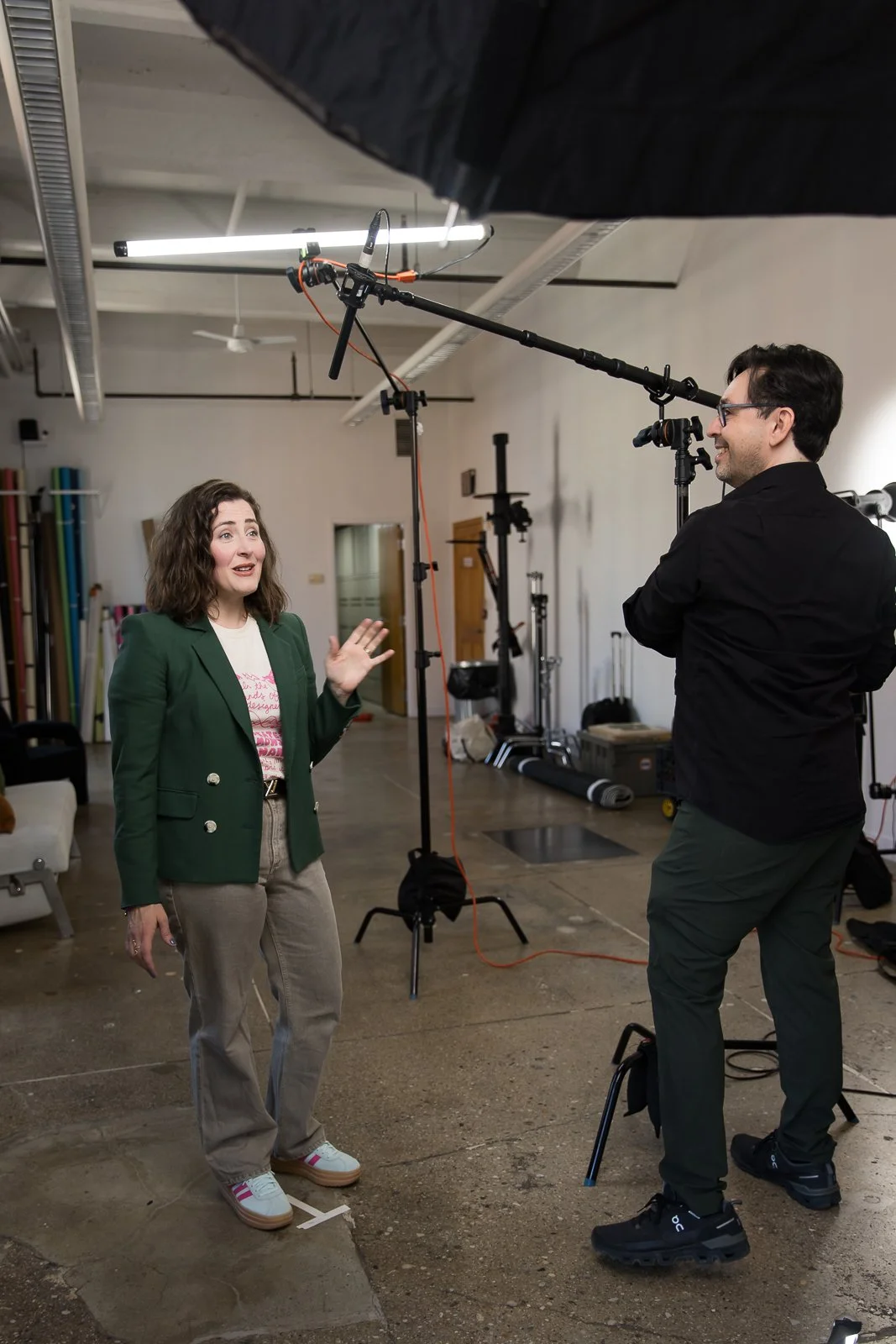
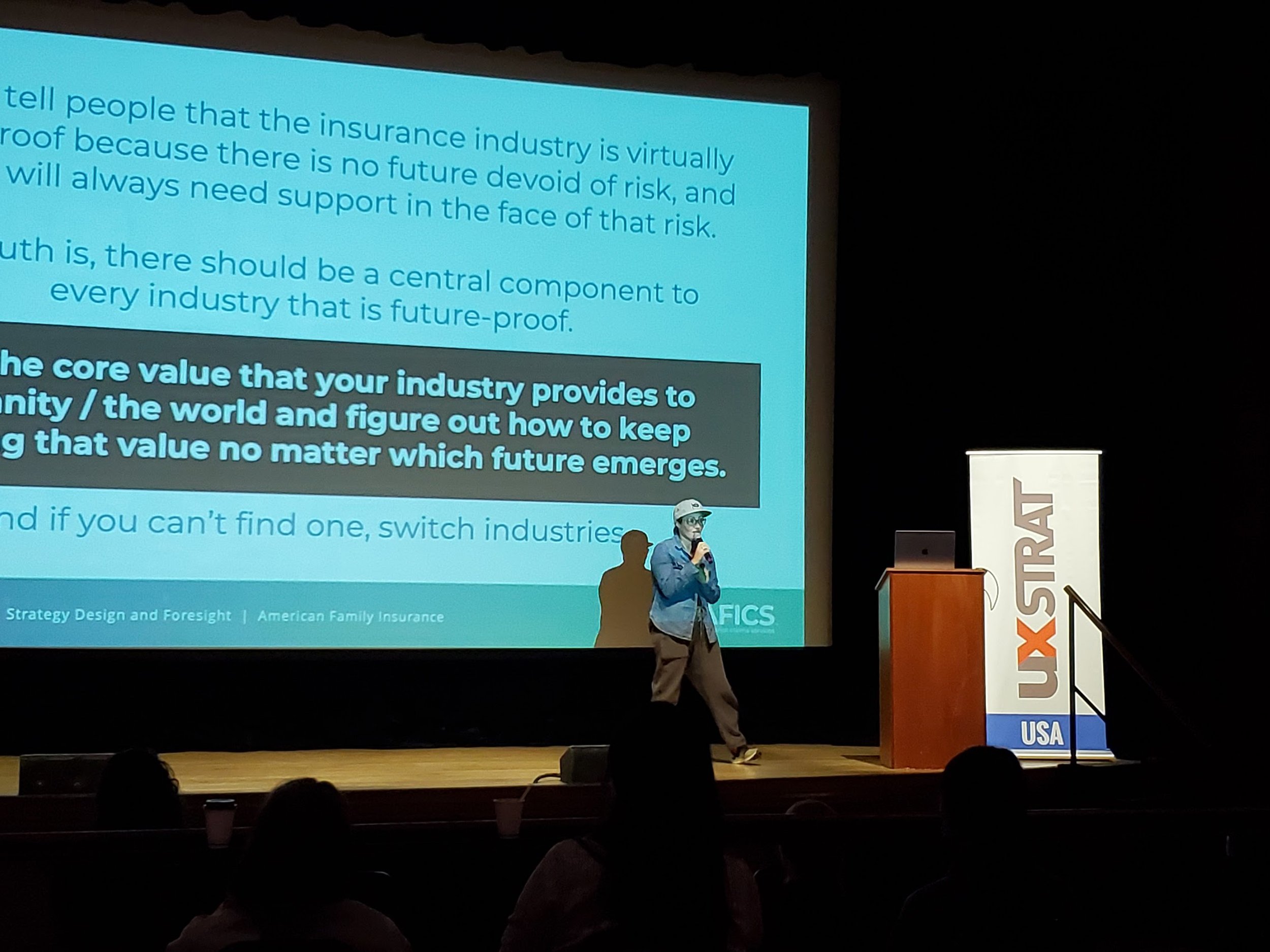
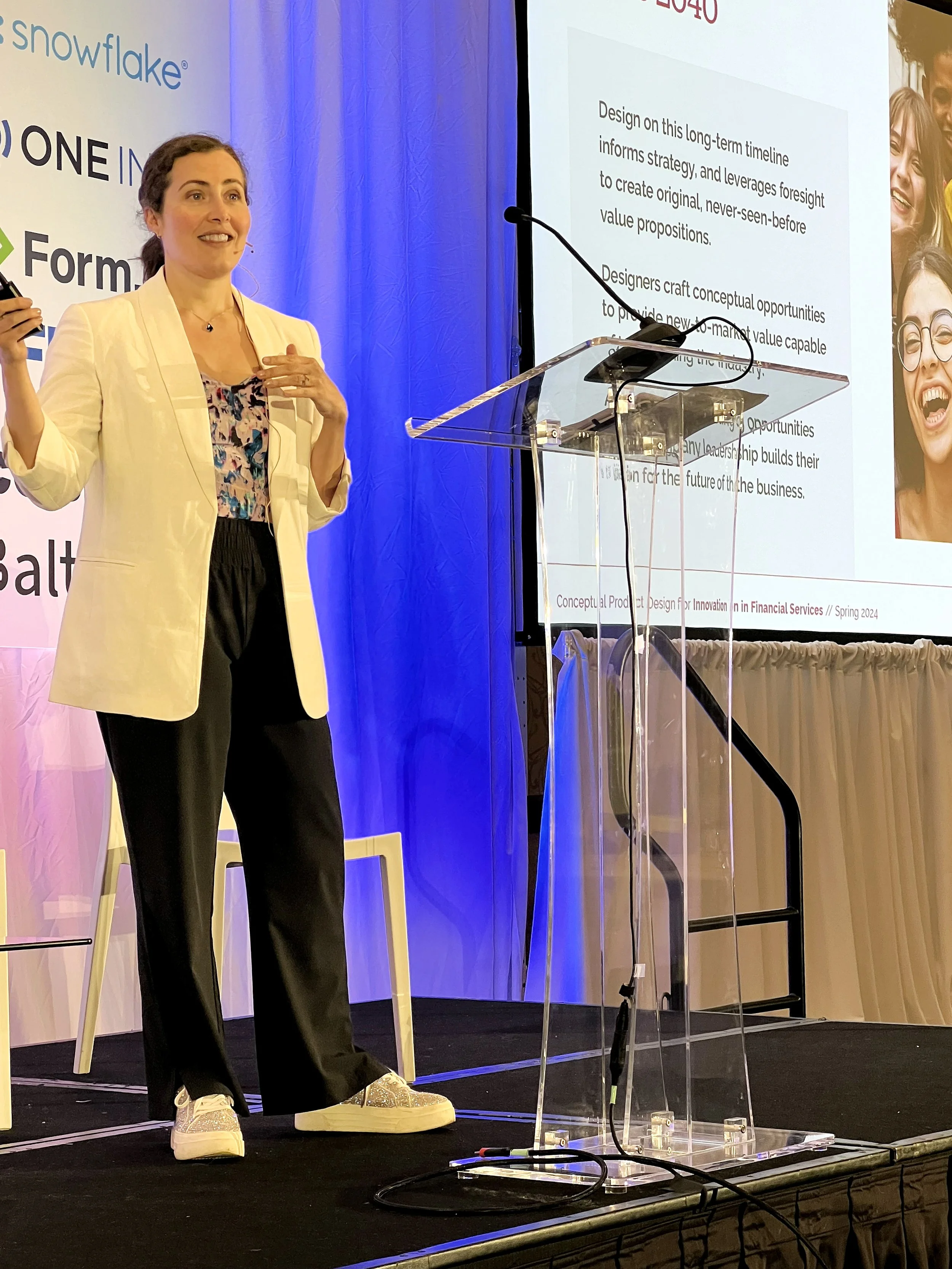
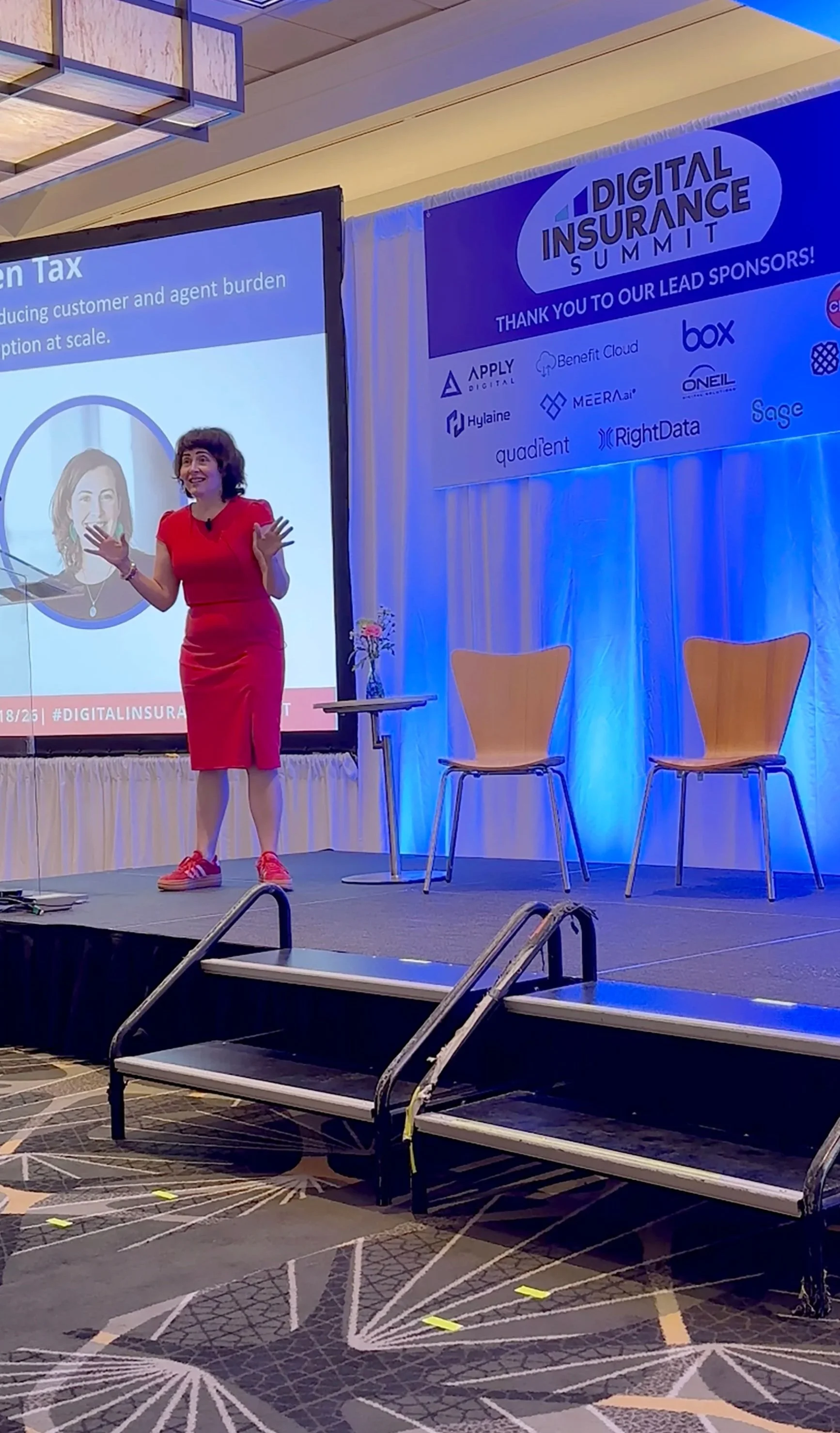
Technology is the best design material of our lifetime. Most companies point it at efficiency. Ryann Foelker teaches the practice that points it at progress.
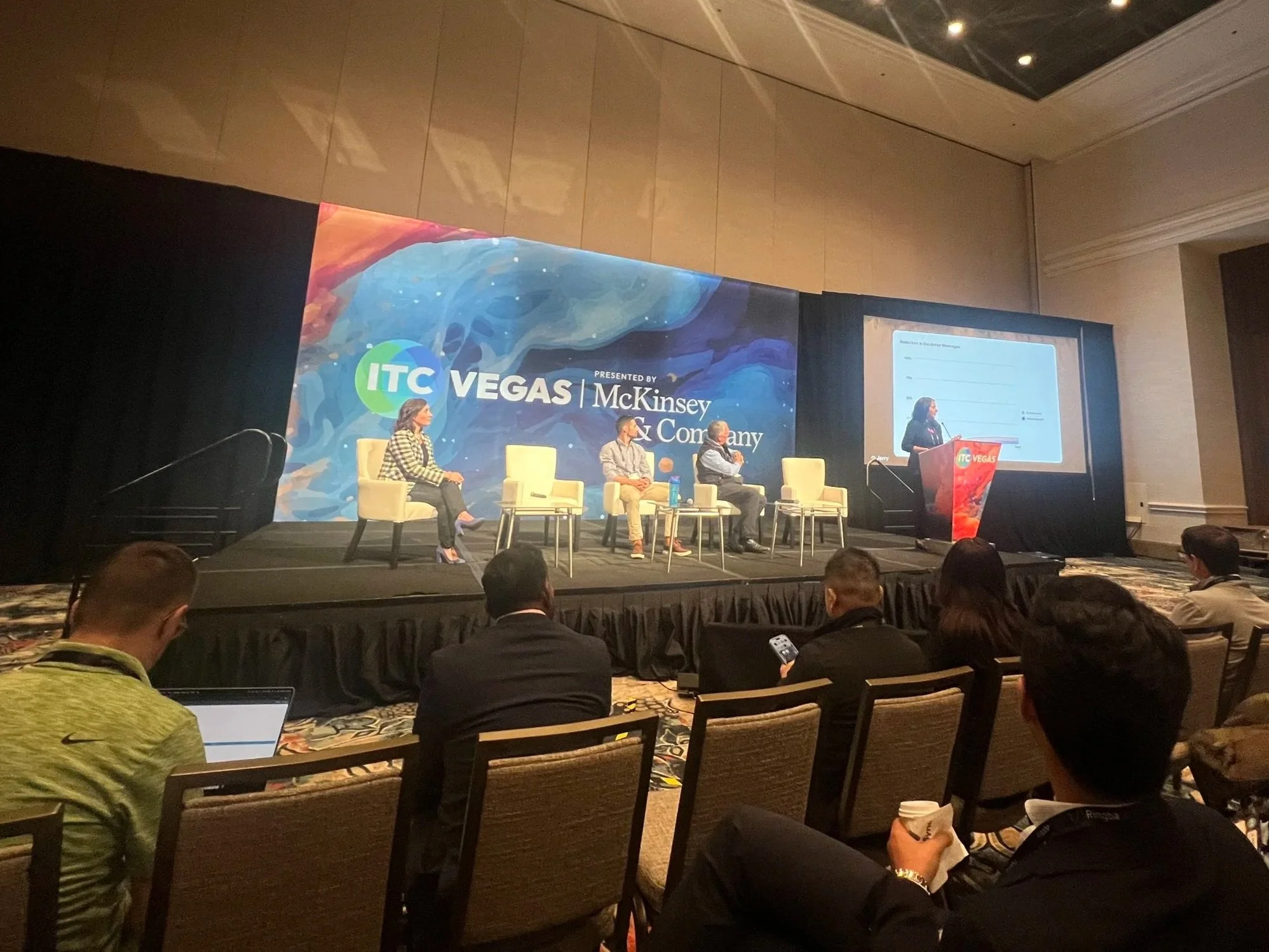
Nobody Went to School for This. So I Built One. How to Build the Design Maturity You Can’t Hire.
Most companies buy design in pieces: workshops, consultants, and UX teams. And still, customers stay frustrated, and teams inside run on workarounds and fumes. When everyone's frustrated, it's easy to decide ‘design isn't worth it.’
The problem is the placement: design keeps starting where the pain is, and pain rarely originates where you feel it. Design spent a century fitting the world to our bodies, and it paid so well it changed the market: nobody sells an uncomfortable chair anymore. The mind is the next body of work. The companies that win the next decade will be the ones with a mature design practice, built where they work, with the people who already know how the work gets done.
In this invigorating session, design executive Ryann Foelker shows you how to build design maturity from wherever you sit: the executive team, the design team, or the frontline.
You'll hear how a school built inside a top-20 insurer turned adjusters, underwriters, and interns into working designers, and why the training threw off returns before it ended. You'll learn why so many design efforts ship fine and land small: the impact gets capped at scoping, before design is in the room. And you'll leave knowing why every design effort you've tried eventually faded, and what to build so this one doesn't.
This keynote is built for:
Executives with UX teams everywhere and frustrated users anyway
Leaders who believe in design and want to lead it with confidence
The teams they're building it with
Attendees leave with:
How to tell if a design effort is set up to make an impact, before you fund it.
Why design’s job isn’t done at kickoff: how value gets killed in development, and how to keep it alive.
Deep End Design School: a framework for building design maturity with the people you already have.
Stop buying design at the end.
Start building it end to end.
🏆 RISE Innovator of the Year, first ever awarded
🏆 Created and pitched the program that won the 2024 Insurer Innovation Award
🏆 Put the only insurer on Fast Company's 2023 Best Workplaces for Innovators list
🏆 Named a Trailblazing Woman in Insurance by Reuters
Ryann Foelker teaches decision-makers to treat technology as a material and design products and services people keep choosing.
After training as an industrial designer and building a design studio with clients like Sub-Zero, Ryann spent nearly a decade inside a top-20 U.S. insurer, where she became its most senior design leader. She built the design practice that redesigned claims from the ground up, and it held: triple the volume when Hurricane Ida hit. She turned a weekly meeting into a design school, and adjusters and underwriters into working designers. And she designed and ran the AI initiative that beat AXA, Prudential, and RBC for the 2024 Insurer Innovation Award. She'd been treating AI as a design material in her own practice since 2018. She coined the Burden Tax and Designed Equilibrium, the diagnosis and the approach at the center of her keynotes, her advisory practice, and a book in progress.
Ryann lives in Madison, Wisconsin, with her husband, her teenage daughter, and Bean, a dog with zero sense of urgency. Almost everything she wears is second-hand, and her company is named Heirloom for the same reason: the best things are created with love and built to last. She pays the Burden Tax herself, daily and involuntarily, which is how she saw it before any dashboard could. Voicemail has never worked for her brain. Send her a text.