
Redesigning How Claims Work
An Enterprise Transformation That Stuck
The Situation
After four acquisitions, American Family Insurance was operating five distinct claims processes across multiple technology platforms.
Costs were compounding with every system refresh. Adjusters were juggling five workflows, switching tabs between interfaces at every turn. Innovation was stalling amid confusion about where (and how) to integrate new solutions.
One claims leader came to me and said:
“I need a strategic vision for the future of claims, a plan to present to the board in four months. I’ve heard good things about design. Can you help?”
It was a high-risk, high-impact ask and the targets pulled in different directions: lower loss adjusting expense, raise customer satisfaction, hold or improve claim accuracy, and keep an eye on employee engagement.
Previous efforts had failed by anchoring to existing benchmarks and “best practices” rooted in current-state thinking.
I planned to start somewhere more resilient: with a view of the future of risk and business-to-consumer interaction, a spectrum of possibility designed to inspire solutions built to flex as the world changed.
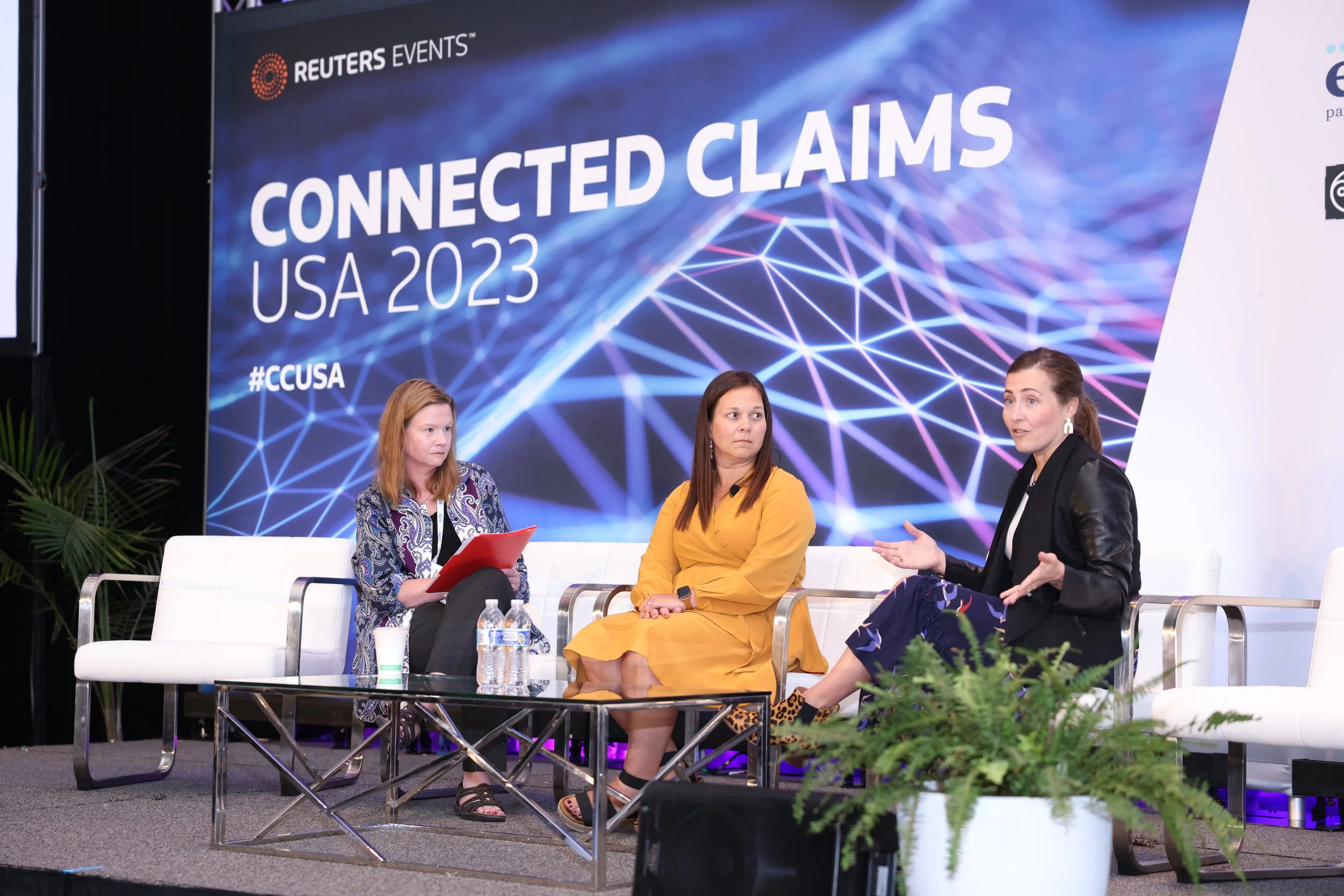
“Start at design to build insurance innovation rather than just utilizing tech innovation in insurance.”
— Ryann Foelker, Connected Claims USA Conference 2023
The Tension
I had just four months to turn a vague mandate into a clear direction the board could fund.
Skepticism was a given. We were up against a deep-seated culture of stewardship, where protecting traditional business functions counted as a virtue. We had to create a vision so clear, so tangible, that executives across disciplines and lines of business could see it, feel it, and choose to pursue it together.
And I had no authority to make anyone do it. Not one of the 13 leaders on the team reported to me, and neither did the eight executives on the steering committee.
I won the team over by listening: repeating back what each person told me and asking questions until I understood. When you follow an expert’s lead, they’re usually down to follow yours..
I won the executives over by standing in their way. At a three-day working session in the Boston office, still in discovery, one of them kept stepping in to ask where the vision was headed. I told him that if he wanted to meet the board deadline, he needed to leave the team to the work. He stopped checking in. From then on, he spoke to me with new respect and deferred to me on the timeline, which the team stuck to.
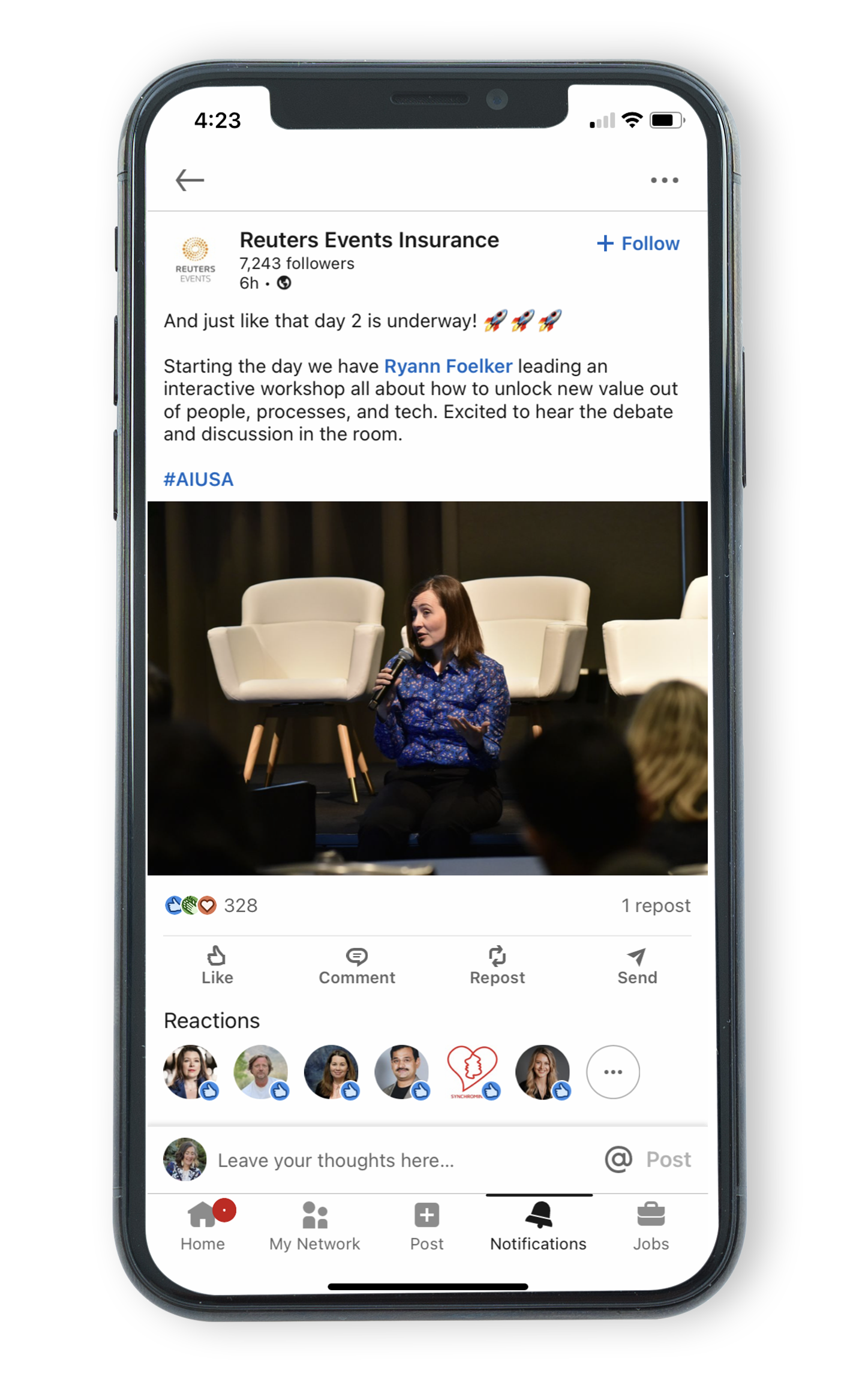
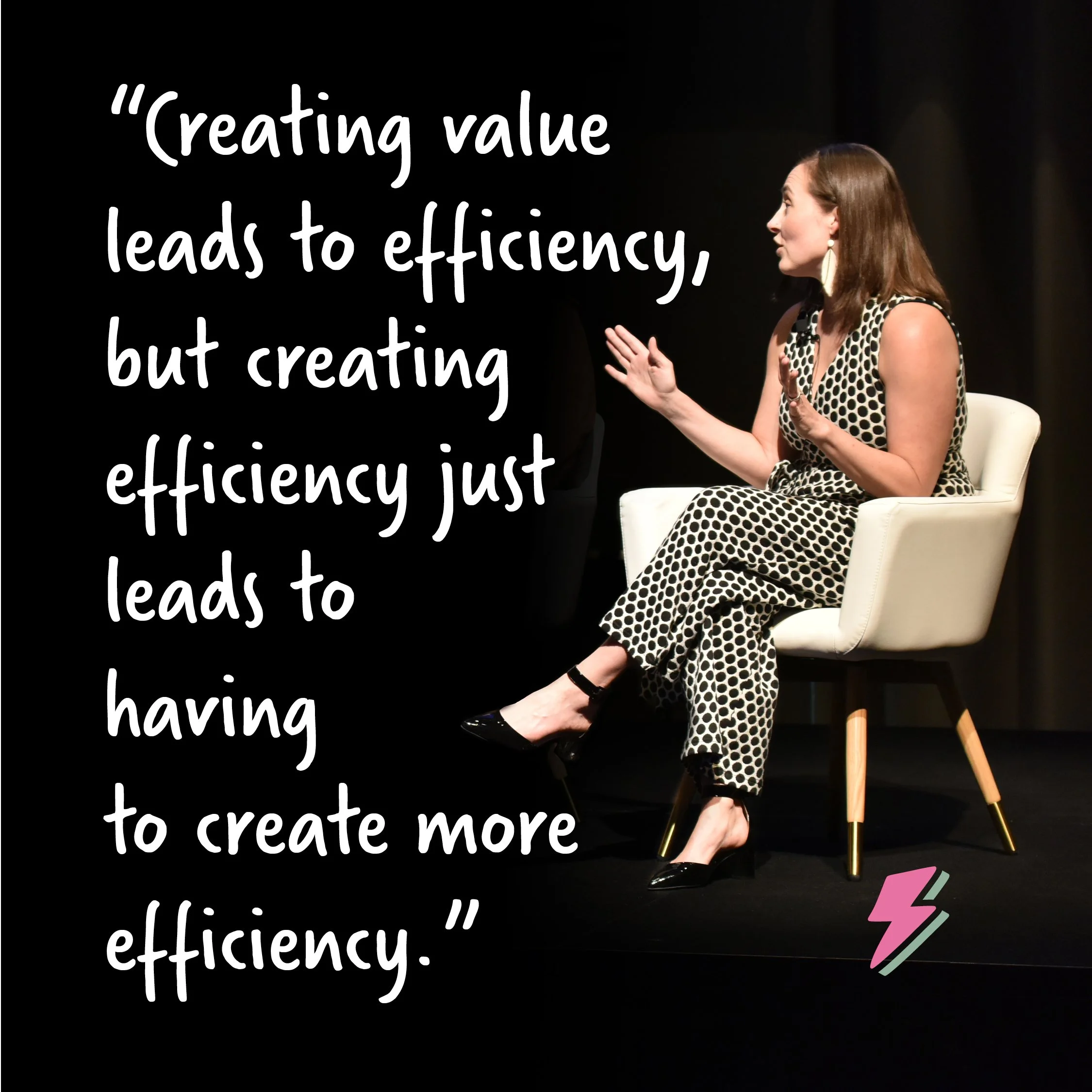
“The challenge isn’t just operational, it’s philosophical. We have to move from optimizing what exists to designing for what’s coming.”
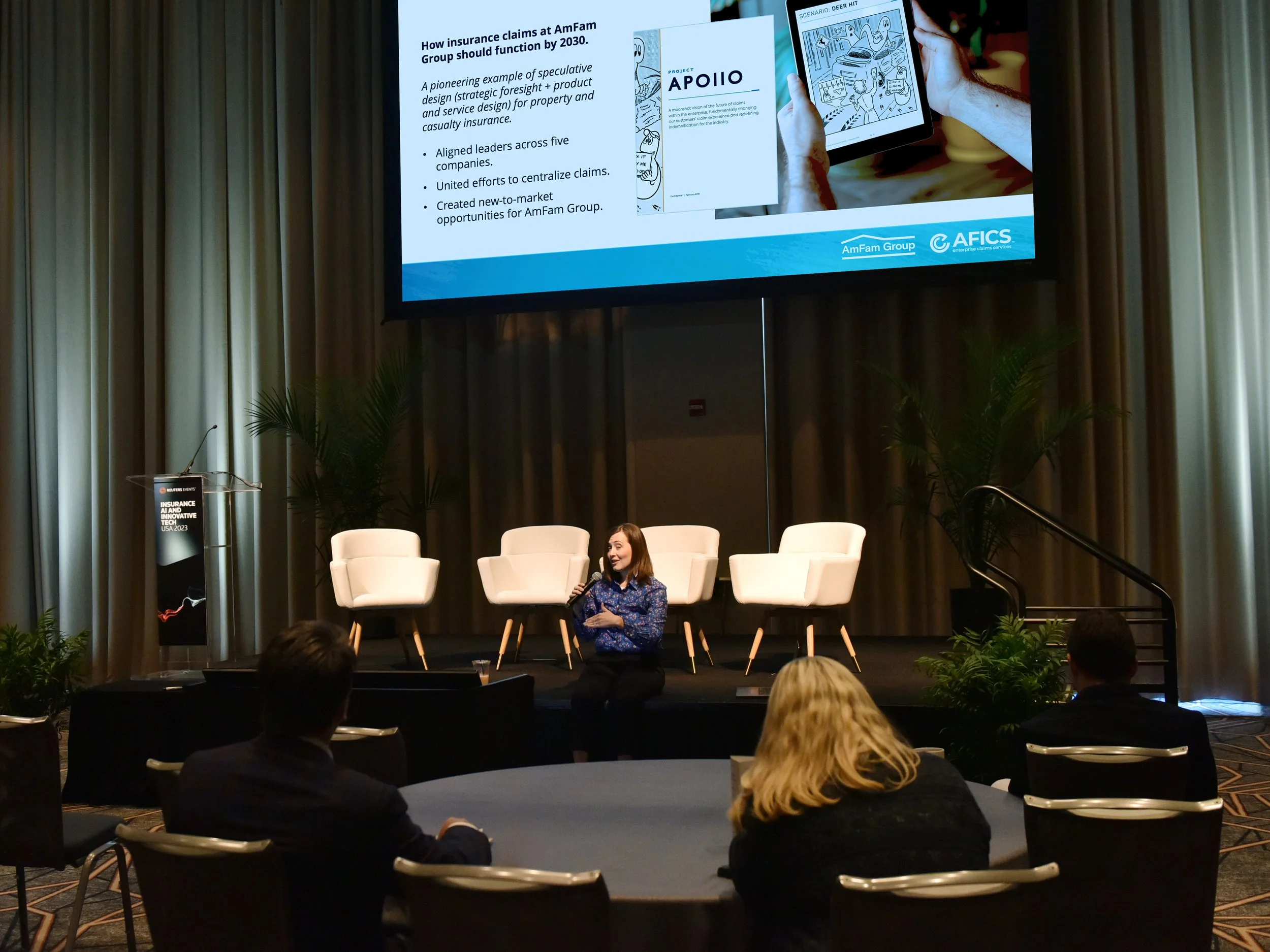
— Ryann Foelker, Insurance AI and Innovative Tech Conference 2023
The Work
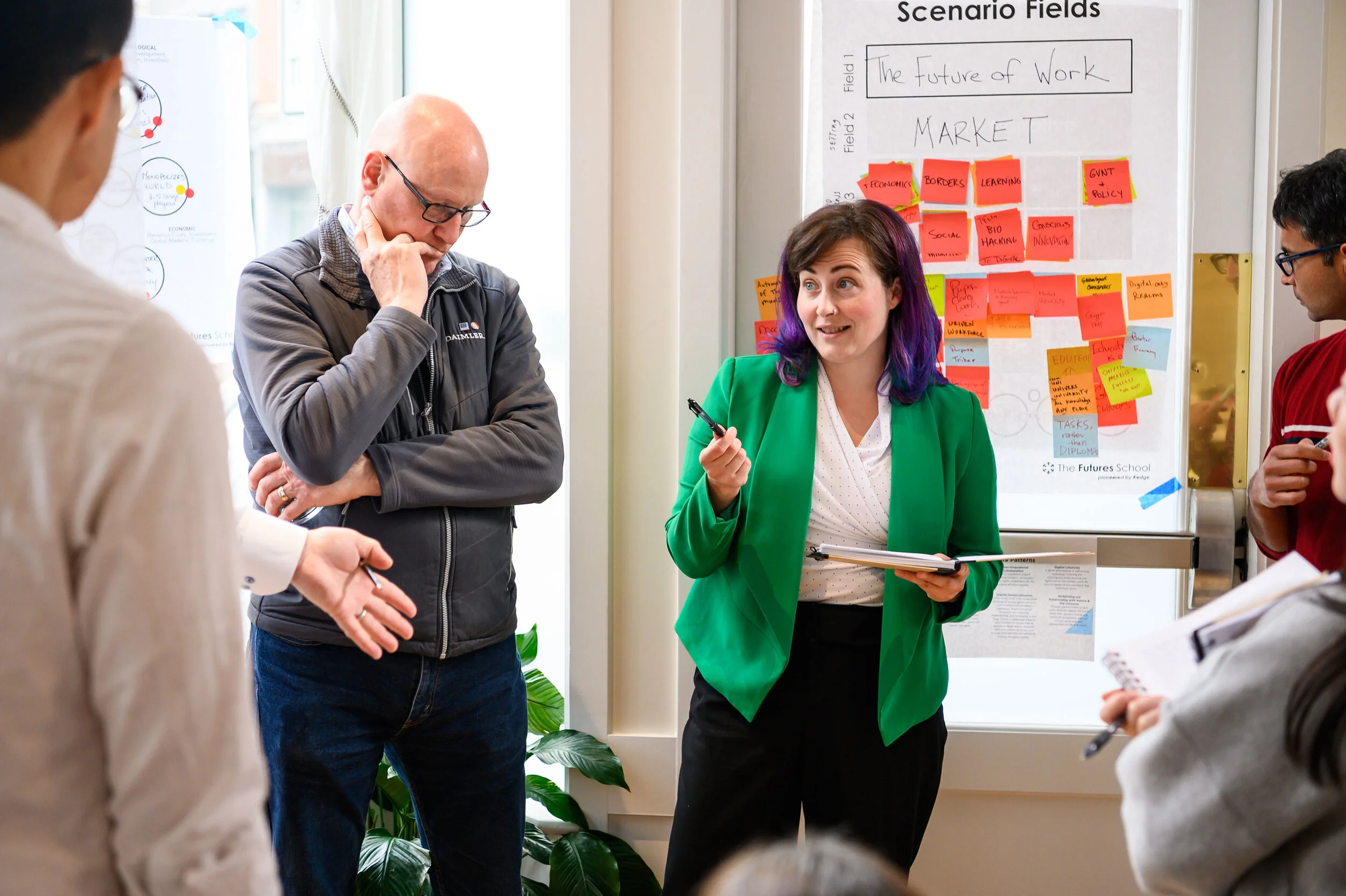
I built a six-part process and taught it to a cross-functional team of 13 leaders from three operating companies.
Together, we reimagined claims experiences from every angle, designed the infrastructure to support them, and delivered a persuasive, memorable vision that moved the board to act and aligned employees across departments and geographies.
-
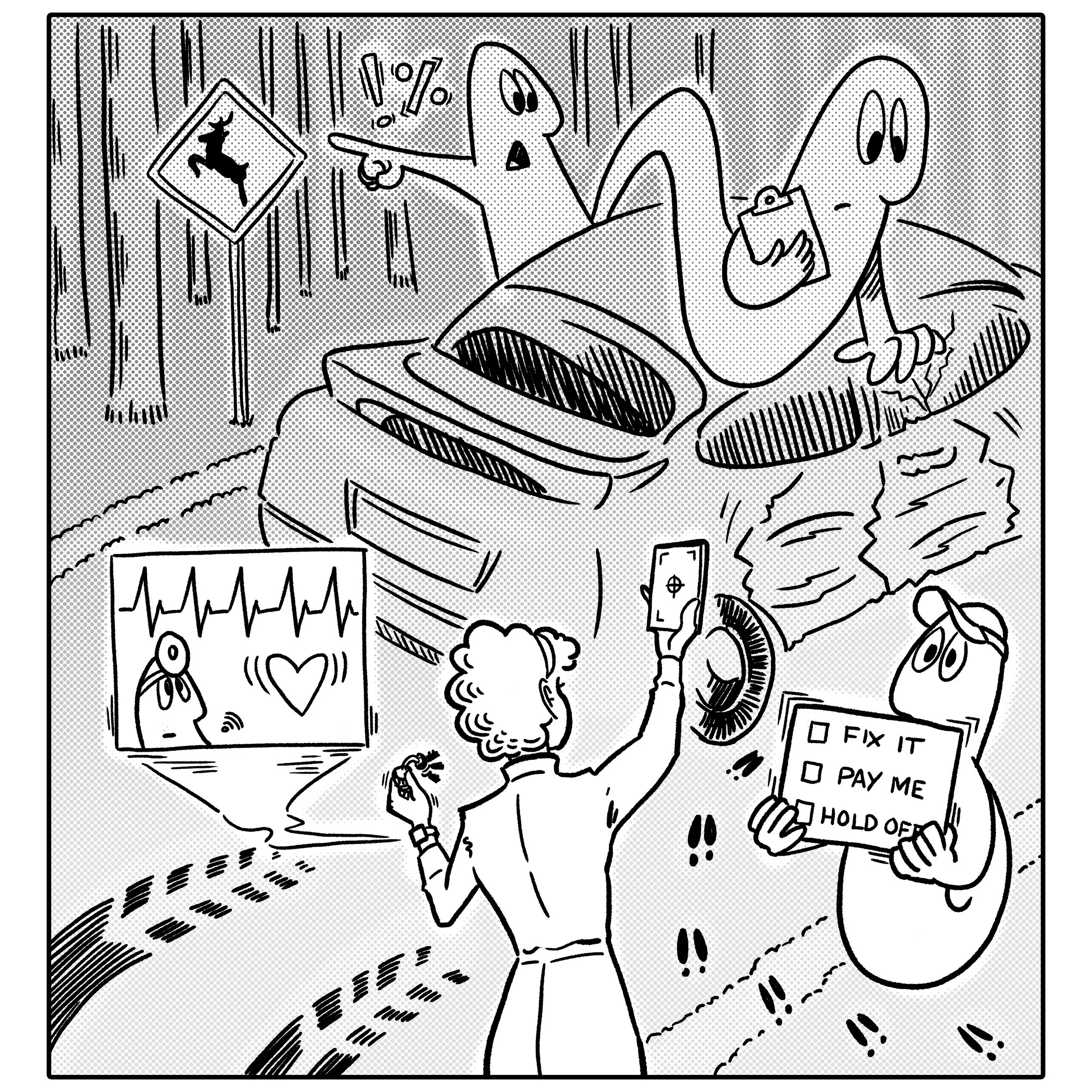
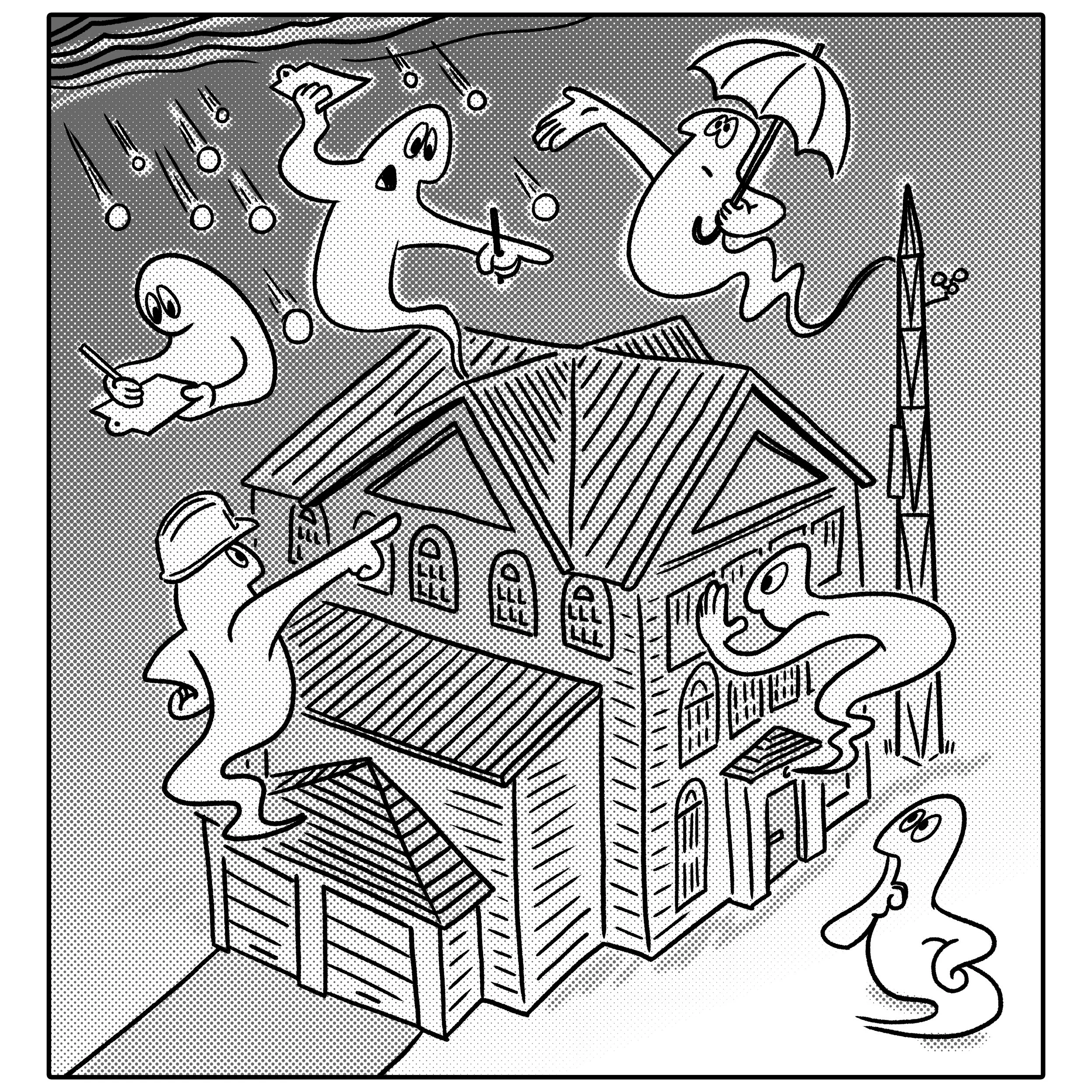
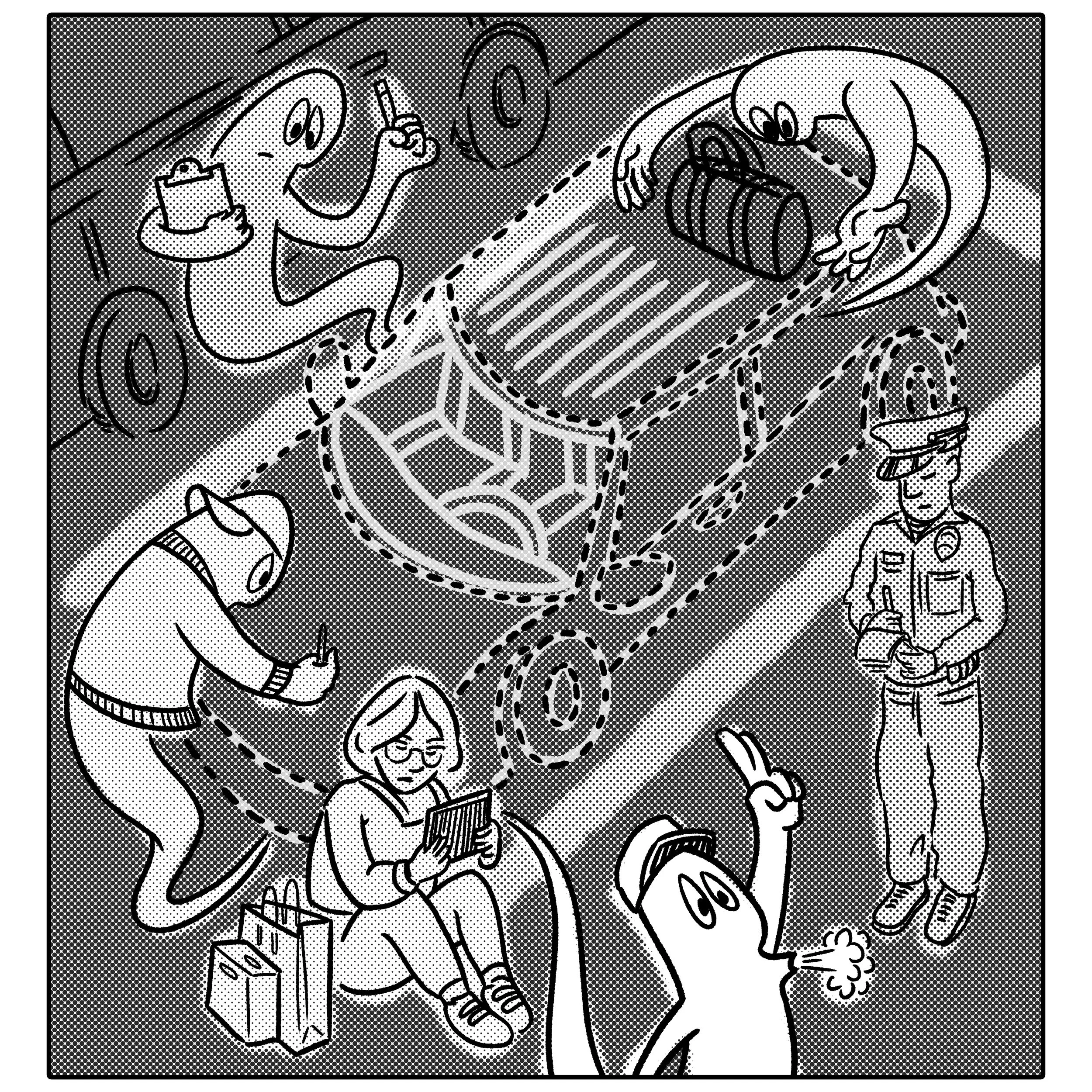
We used foresight to define the future of claims at enterprise scale: 10 years out, across tech, people, and process, for five operating companies at once. The work started as two teams, property and auto, and I added a third, commercial, and led all three as one. I taught the combined team to build 19 scenarios, because the vision had to hold for every kind of claim: a deer hit, a two-car accident, hail, a sump-pump overflow, a break-in at a boutique. Some pushed further: autonomous vehicle crashes, proactive hurricane evacuations, AI-enabled empathy (this was in 2018). Then we reverse-engineered the infrastructure that would make that future possible.
-
You can't redesign an operation for the future without some idea of what it will need to deliver. If we had only considered the status quo, we couldn't have designed a claims operation that would stand the test of time. So the team created eleven new-to-market product and service concepts based on current customer needs and emerging technological capabilities. Launching them was a separate decision, well out of scope for the upcoming board meeting. Their first job was to give the processes and roles we designed next something to test against.
-
We sketched the future-state processes for a tech-enabled claims operation that balanced customer empathy, adjuster support, and cost efficiency. This was a true marriage of operational fluency and long-range vision, designed to deliver both business impact and human value.
The vision covered organizational redesign too. My team wrote the long-term workforce recommendations: rethinking adjuster roles for one cross-enterprise team, re-skilling programs, and new roles, like teaching AI and explaining AI decisions.
-
We built three things: a blueprint of the proposed technology, a sketch of the financial case, and a multi-year roadmap to reach both.
I drew the blueprint with engineers and claims experts in the room, drafting versions until they had nothing left to interrogate. Then I drew the final version of our proposed technical architecture clear enough that the board approved it and engineering built from it. (I started my career drawing technology for the people who build it: products and components for manufacturers and installers. The claims architecture called for the same skill at a bigger scale.)
The blueprint included both the consolidated platform and a new “claims engine” that ran three models on four defined data sets, and it checked for fraud from the start. It made room for compliance and state rules without letting them stall the vision. And it rested on how people would act: adjusters, customers, and five operating companies keeping the best of each.
With the blueprint defined, we sketched the start of the financial case and reverse-engineered a high-level, staged roadmap, so the transformation, and its financial benefits, were tangible enough for the board’s decision.
All three were clear enough to align around and practical enough to build from.
-
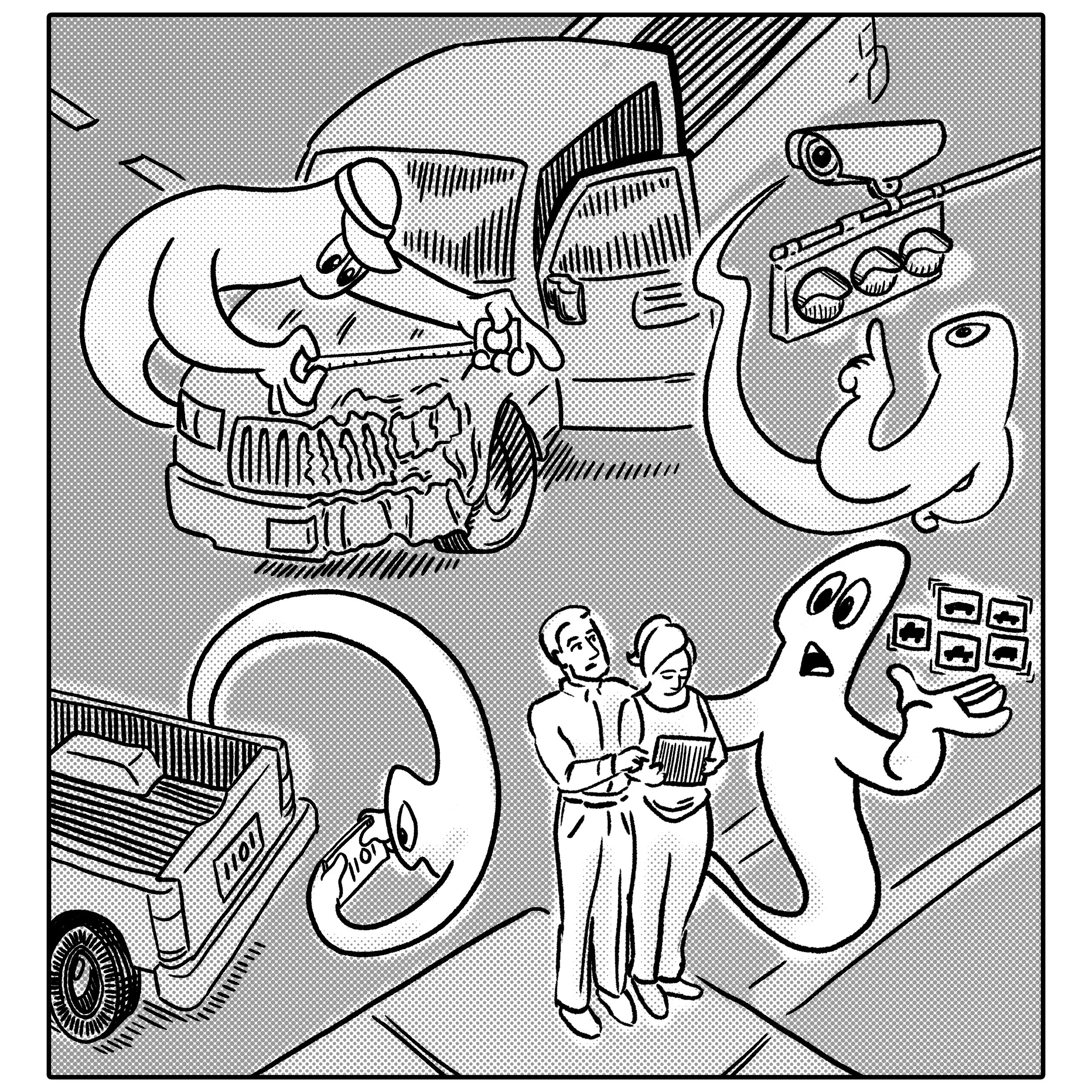
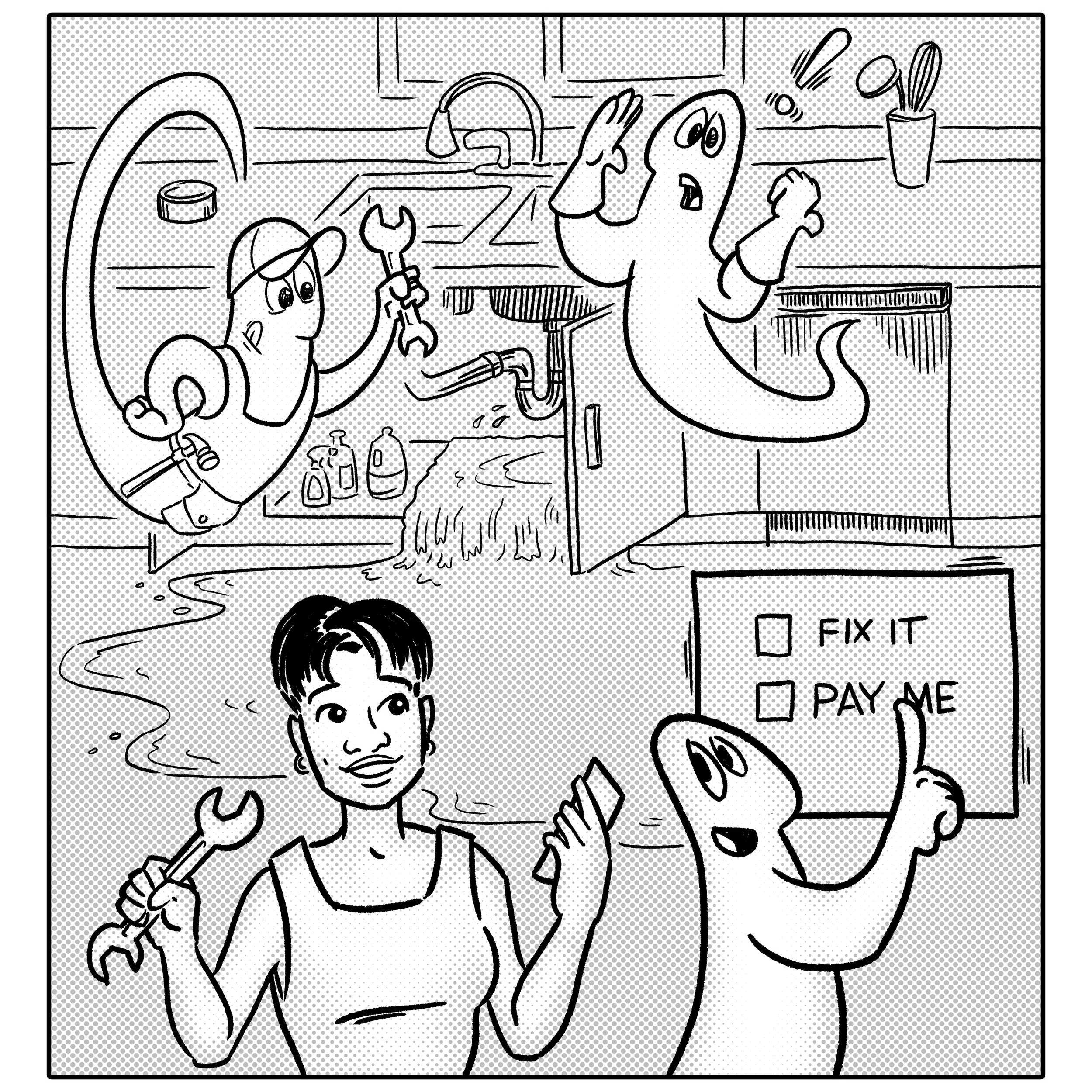
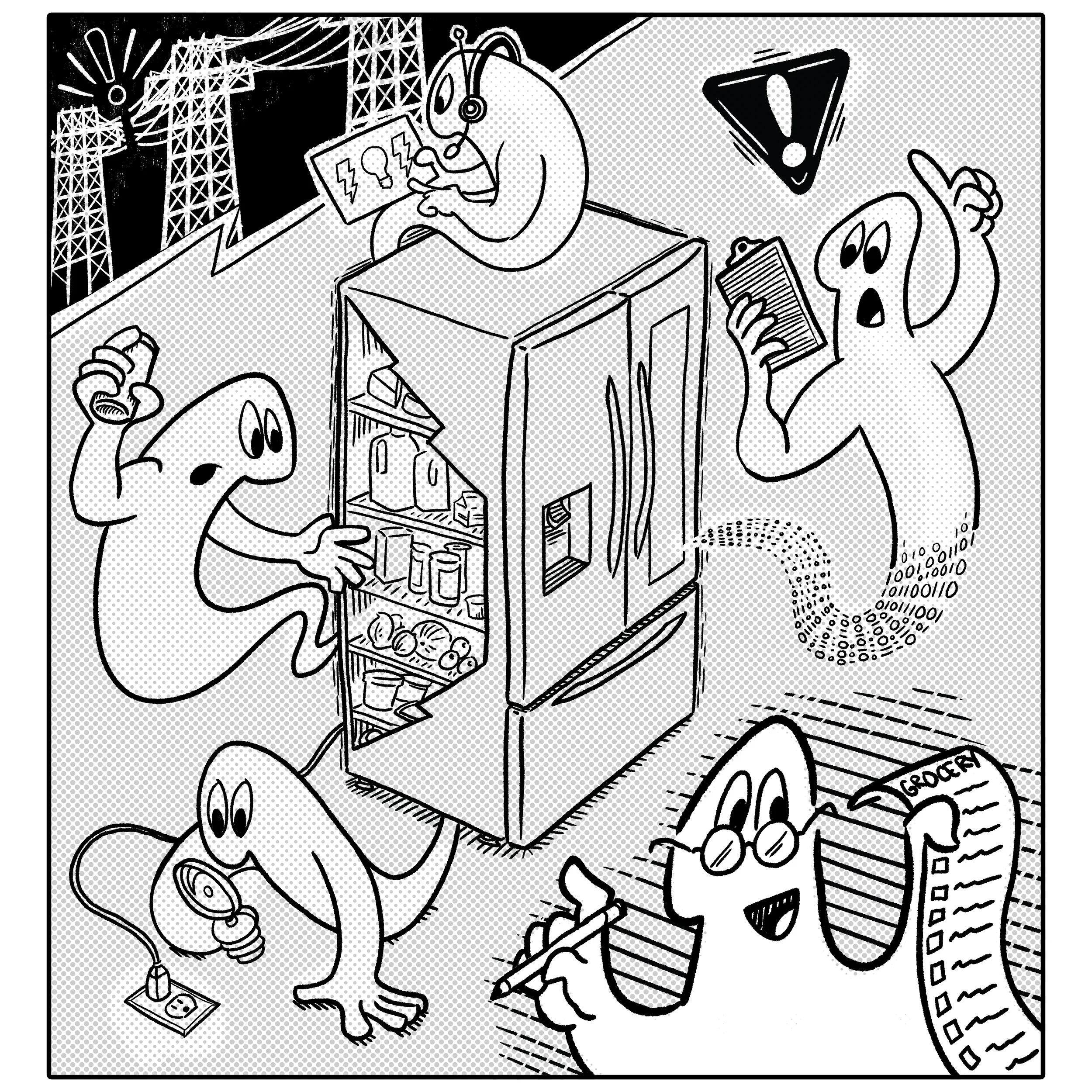
Clear and practical wasn't enough. The board had to remember it, too. So we built the communication strategy on executive narratives: short sci-fi stories featuring futuristic claims scenarios, from climate disasters to AI-enabled repair logistics (again, 2018). We paired those stories with visual artifacts: cartoon-style illustrations of the “claims engine” we envisioned, a solution later named Fabric, in action with customers, partners, and employees. I hired Andy Bernier, an illustrator I knew from college, to draw them.
Nobody had seen a deck like it. It was a plan for a more supportive, scalable, and human-centered future, told in a way people could see, feel, and choose to believe in.
-
The front line was part of this from the start. Claims employees were among the experts we learned from in discovery, we checked in with them along the way, and several of our team members had worked the front line themselves. After the board said yes, I went “on tour” with the chief claims officer to show claims teams at major offices across the country what we'd built with their help. They would have to learn the new system and defend it to customers on top of their regular jobs. We made sure they wouldn't have to guess at why it mattered. A Know-Share-Do document carried it to the rest of the organization.

The Results
Millions in annual expense savings
Unifying vendors and platforms cut operational expenses by more than 20%, a durable advantage as others tried to catch up.
The first unified claims platform in the top 20
The vision shaped platform decisions: American Family became the first top-20 U.S. carrier to operate on a single claims platform, and it delivered the platform consolidation and first-stage automation in four years. The illustrated claims engine we named Fabric became the blueprint for the build-out that followed: automation for the routine work, connected to the systems already in place. The vision set Fabric up to deliver one standard workflow across companies, a safer move to the cloud, and no lock-in to a single vendor. Fabric was the case study cited in the Fast Company submission.
A team that carried the vision into the build
After board approval, I sorted about 150 implementation items into a prioritized roadmap for the team that would build it: temporary bridges, steps to the moonshot, things to ponder, and “purgatory” for ideas we didn’t want to use or lose. Six of the 13 people I built the vision with joined that team. One led the implementation, and five more became its product owners and product managers. They knew what went into each part of the transformation because they designed its value with me, so championing it came naturally. Two of them later rejoined me when I built the design and foresight team.
A vision that held under pressure
In 2021, Hurricane Ida put the redesigned operation to the test. It absorbed triple the volume possible before the transformation.
Recognition that named the work
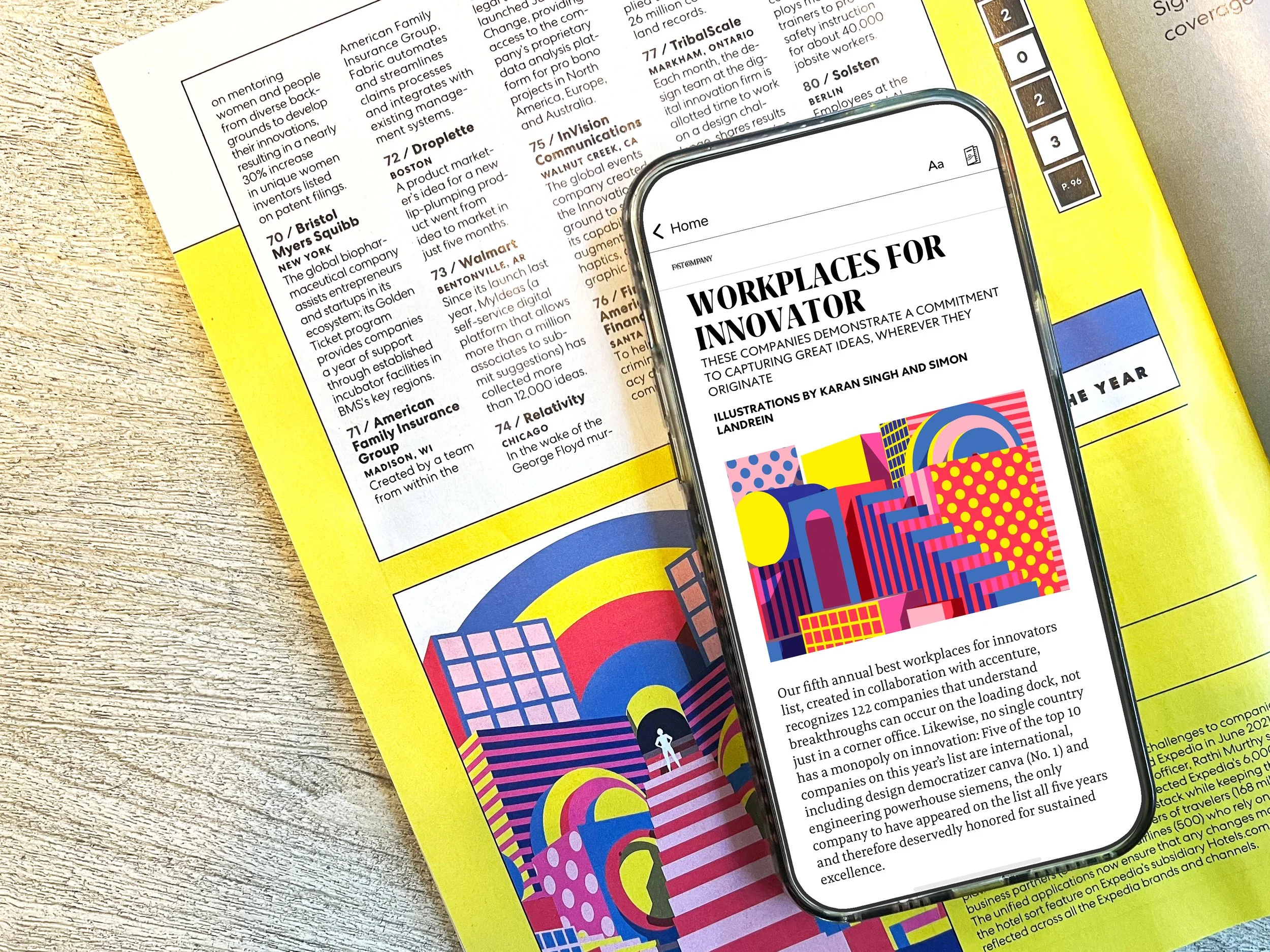
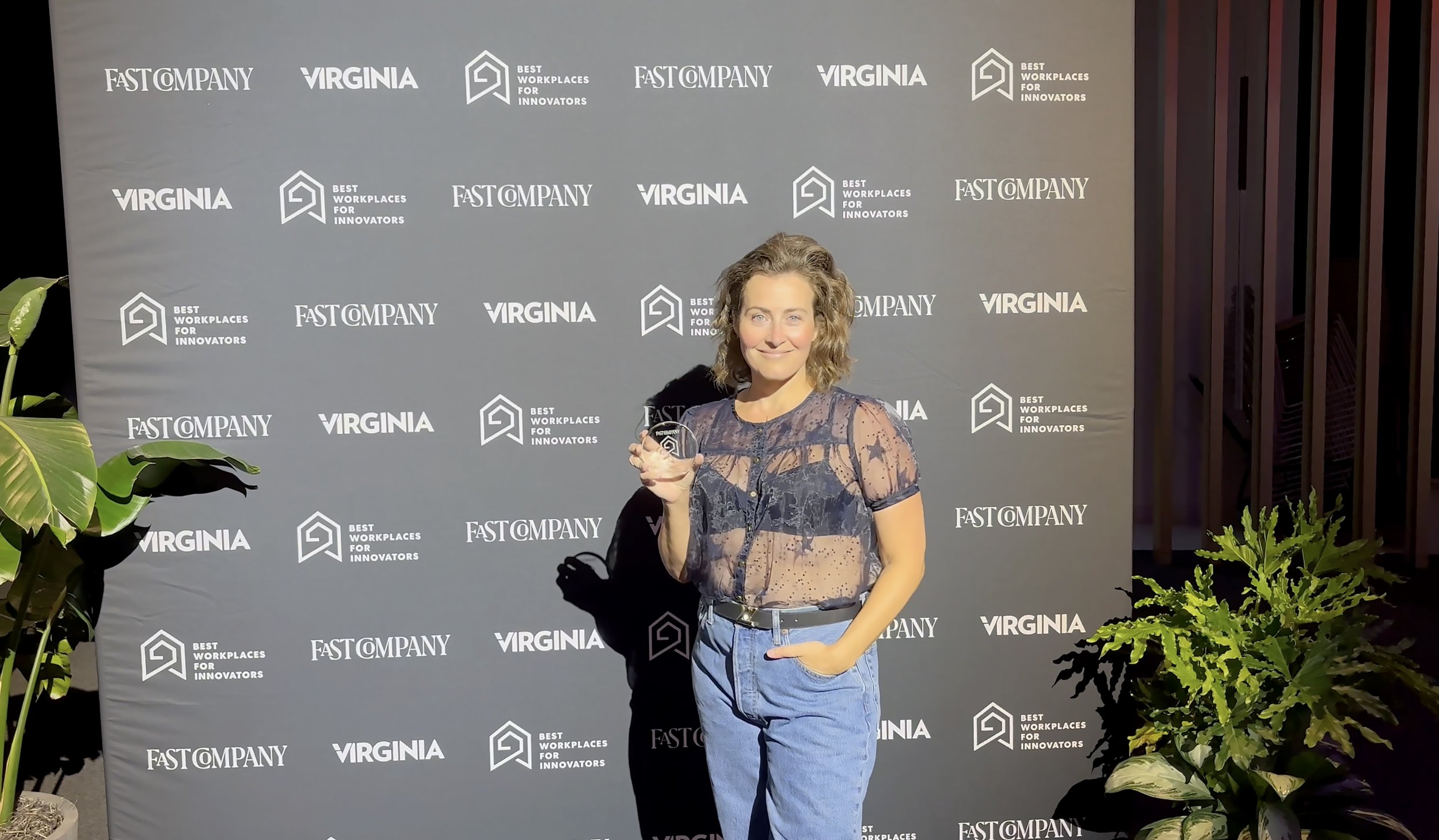
The transformation and design programs I originated earned American Family the No. 71 spot on Fast Company’s 2023 Best Workplaces for Innovators, the only insurer in the top 100. In 2024, RISE Professionals named me its inaugural Innovator of the Year, citing this claims transformation vision as one of three bodies of work.
An innovation pipeline with a scoresheet
The roadmap gave the claims organization something to evaluate vendors against. I built the scoresheet for Demo Days, a vendor evaluation program that aligned claims tech to our roadmap. Fourteen startups went through in the first few months, and testing cycles fell from 12 to 18 months down to six.
The method it produced
This is the project Designed Equilibrium came from: a picture of the future so specific that every leader sees the same one, and a roadmap of decisions reverse-engineered to reach it.
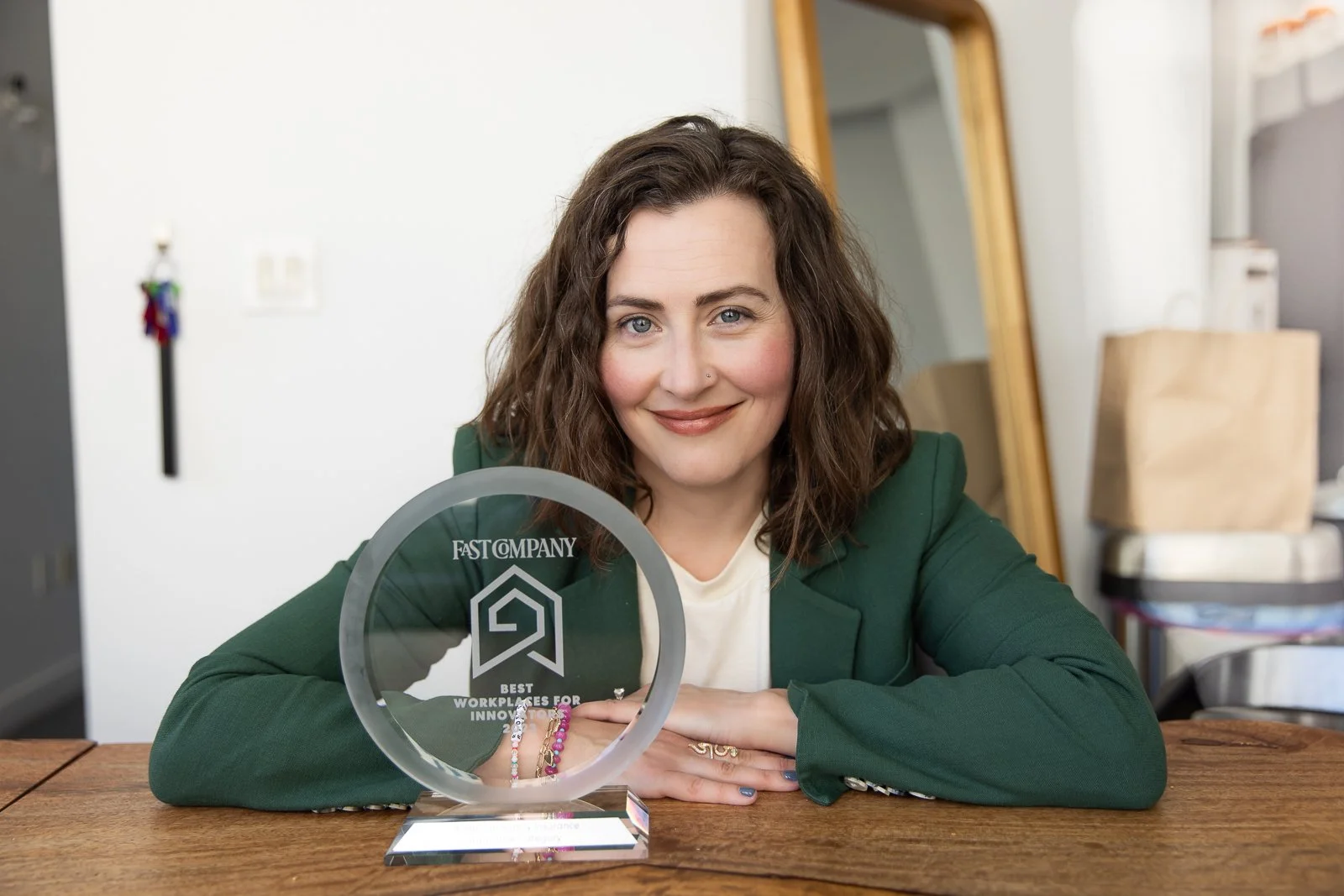
“We didn’t chase recognition, we chased what was possible. This award reminds us that design doesn’t just shape great experiences, it shapes the business decisions behind them.”
— Ryann Foelker, Best Workplaces for Innovators Awards Reception 2023
Why It Worked
We started with a different question. Instead of “How could claims be more efficient?” we asked “What should the future of claims feel like?”
Then we designed everything that future would need: the products and services, the processes and roles, the claims engine, the business case, and the roadmap. The efficiency came anyway: more than 20% lower operating expenses and one claims platform for five operating companies.

-
![]()
Reuters AI and Innovative Tech USA
-
![]()
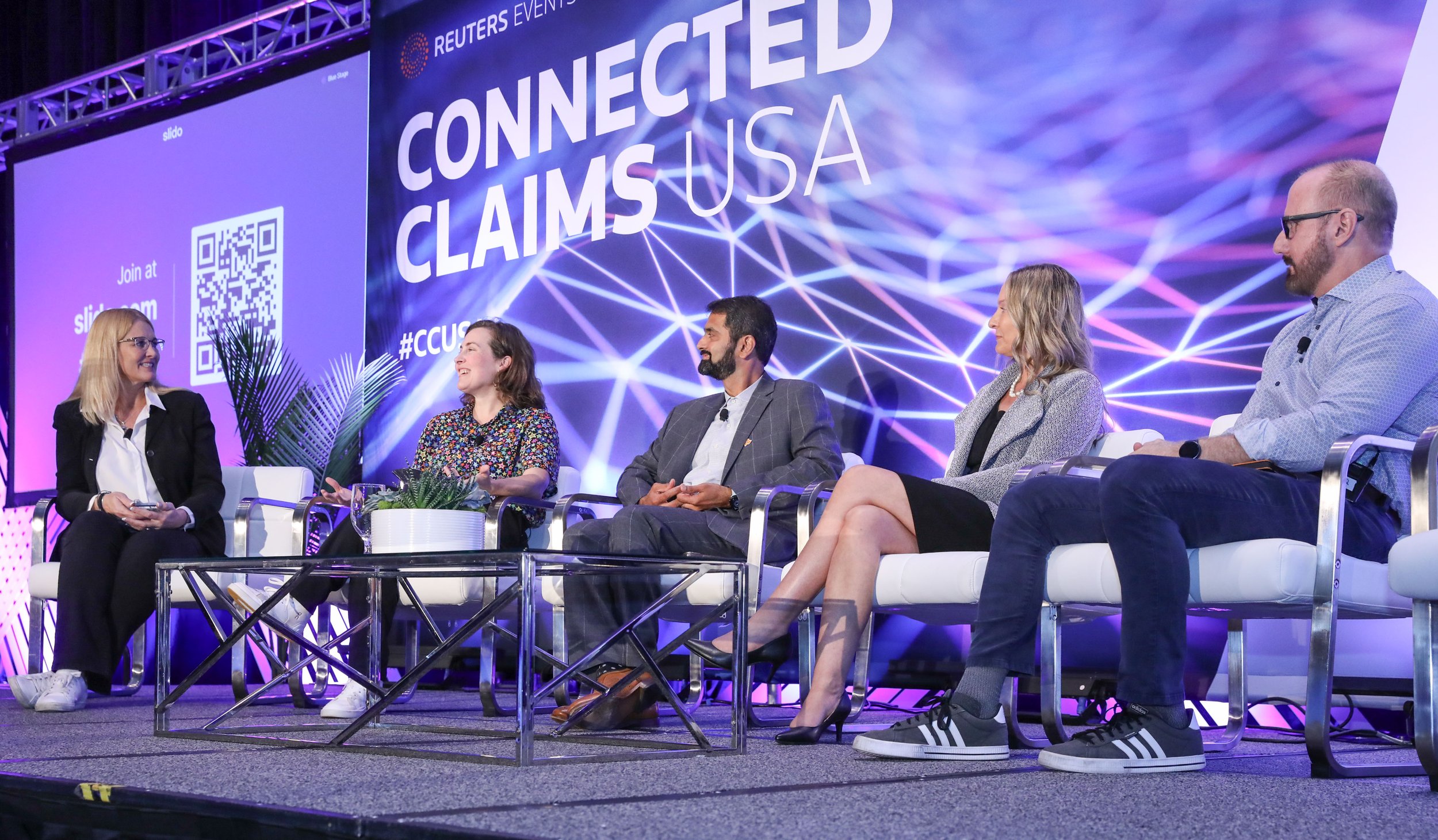
Reuters Connected Claims USA
-
![]()
Fast Company, Summer 2023
-
![]()
Best Workplaces for Innovators Reception
-
![]()
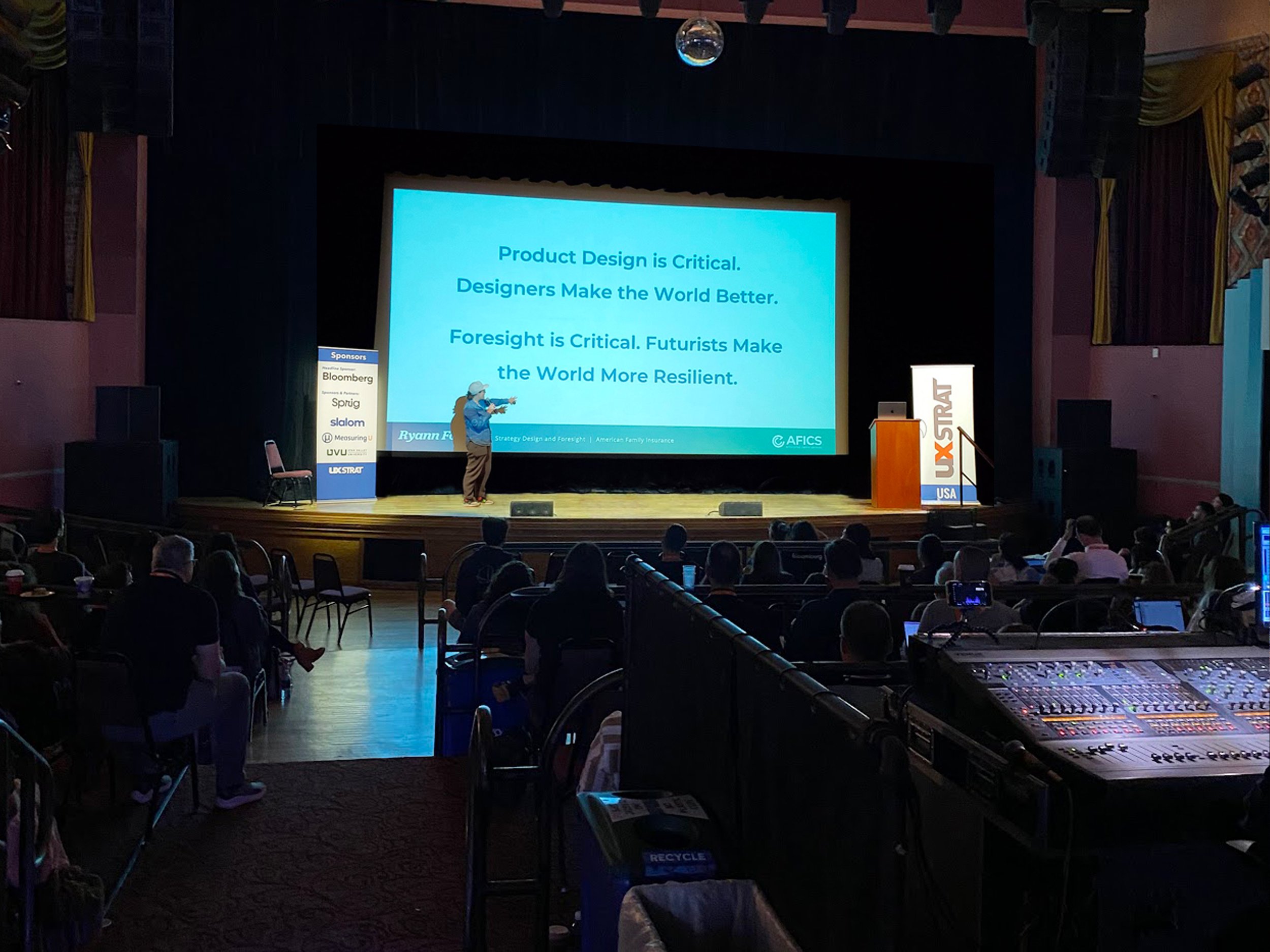
UXSTRAT USA
-
![]()
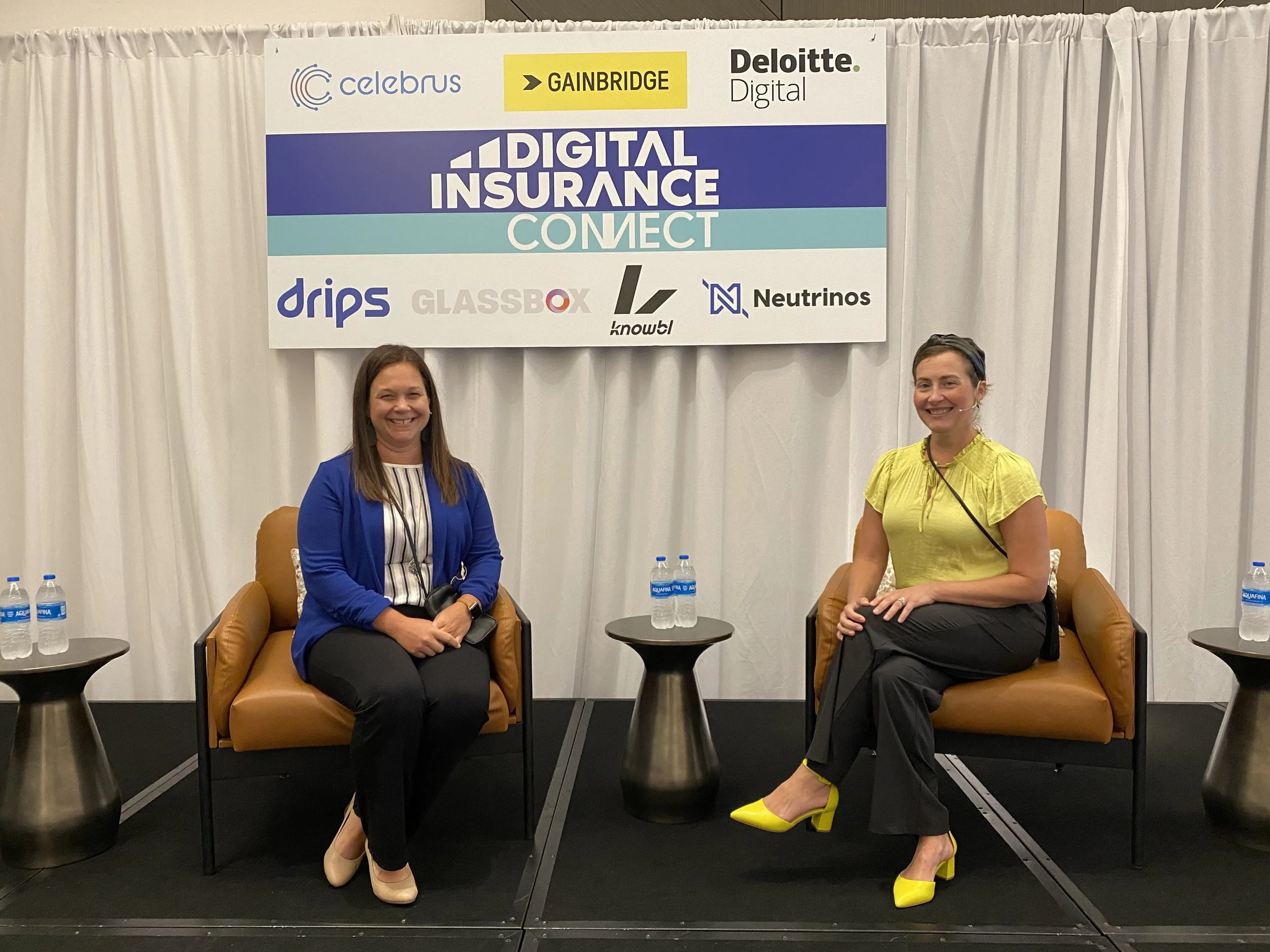
Digital Insurance Connect
-
![]()
Nvisia ProdConWI
-
![]()
Reuters AI and Innovative Tech USA
-
![]()
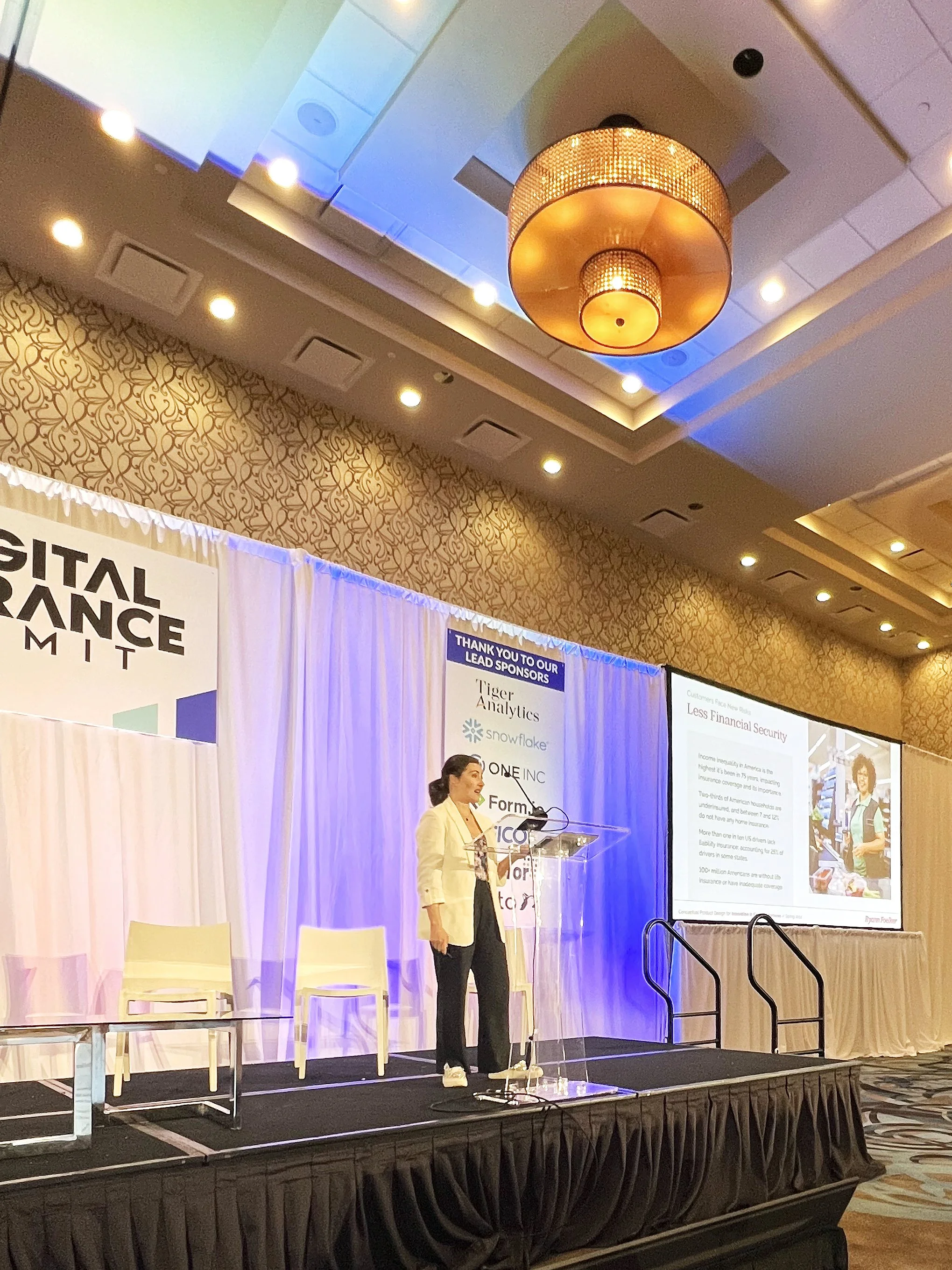
Digital Insurance Summit
-
![]()
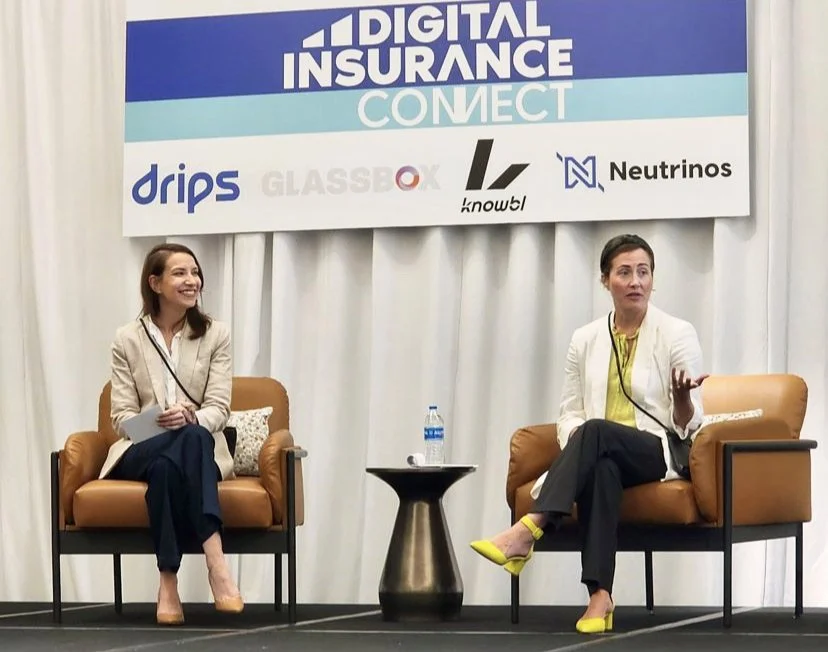
Digital Insurance Connect
-
![]()
Reuters Connected Claims USA

This case study reflects work I was proud to contribute to at American Family Insurance. The content shared here is based on initiatives that were made public under executive direction and have been featured in industry presentations and publications since 2021. All views expressed are my own. No confidential or proprietary information is disclosed, only publicly available outcomes, personal insights, and individual learnings.